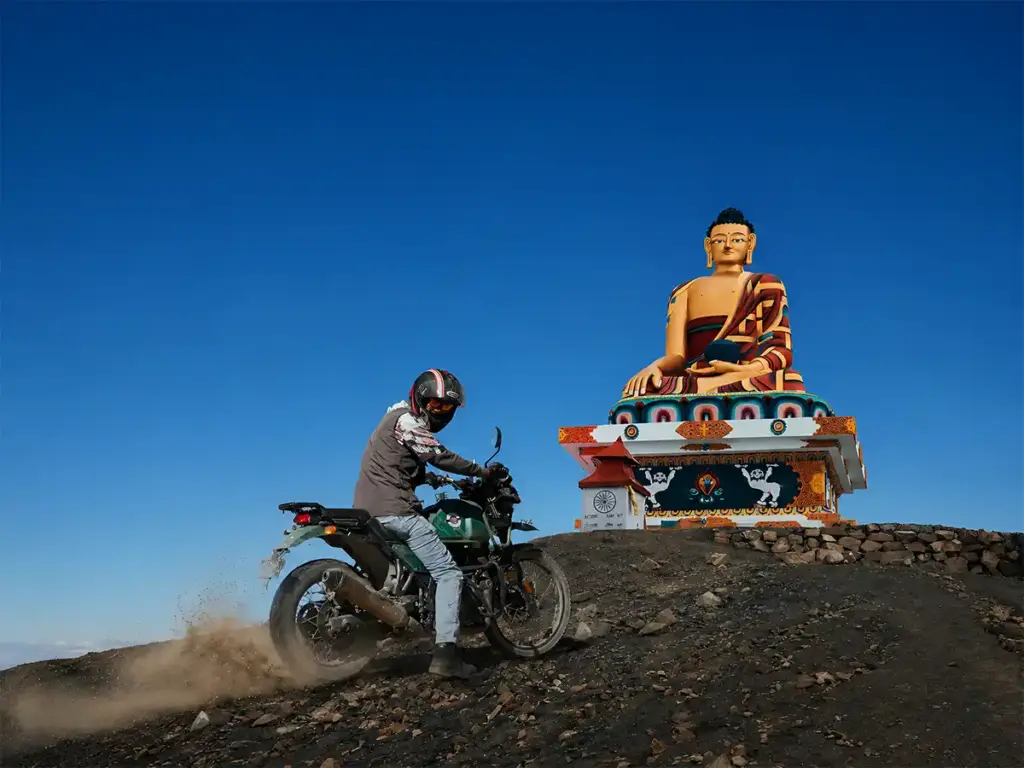
Zanskar Valley: The Complete Travel Guide 2026
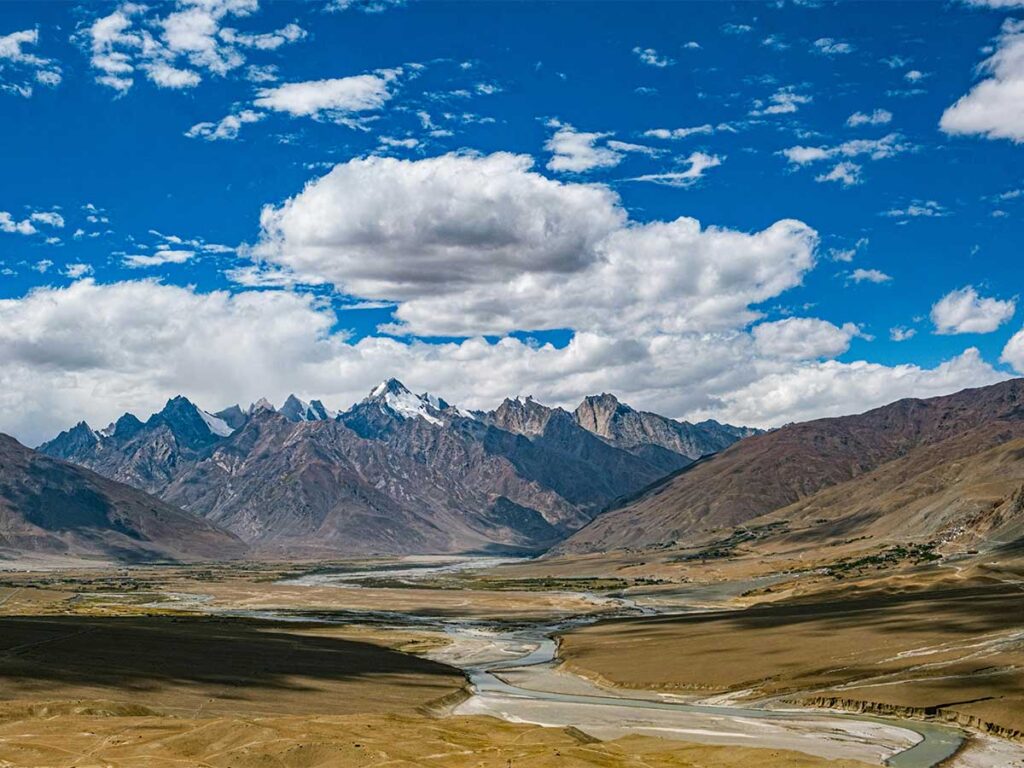
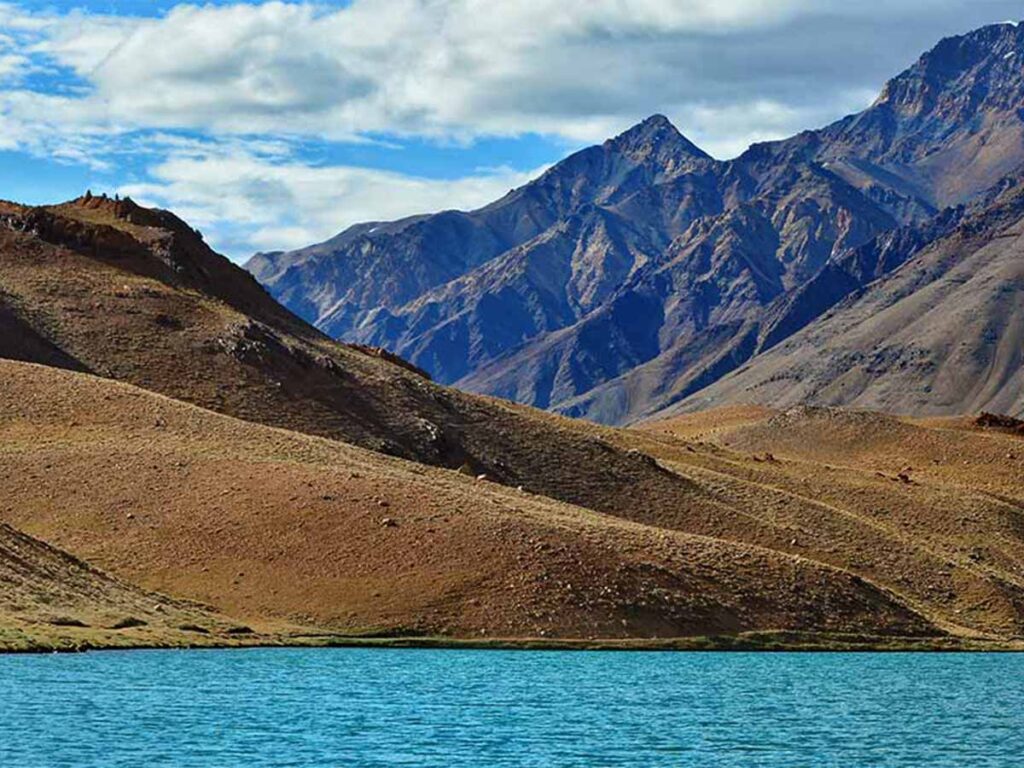
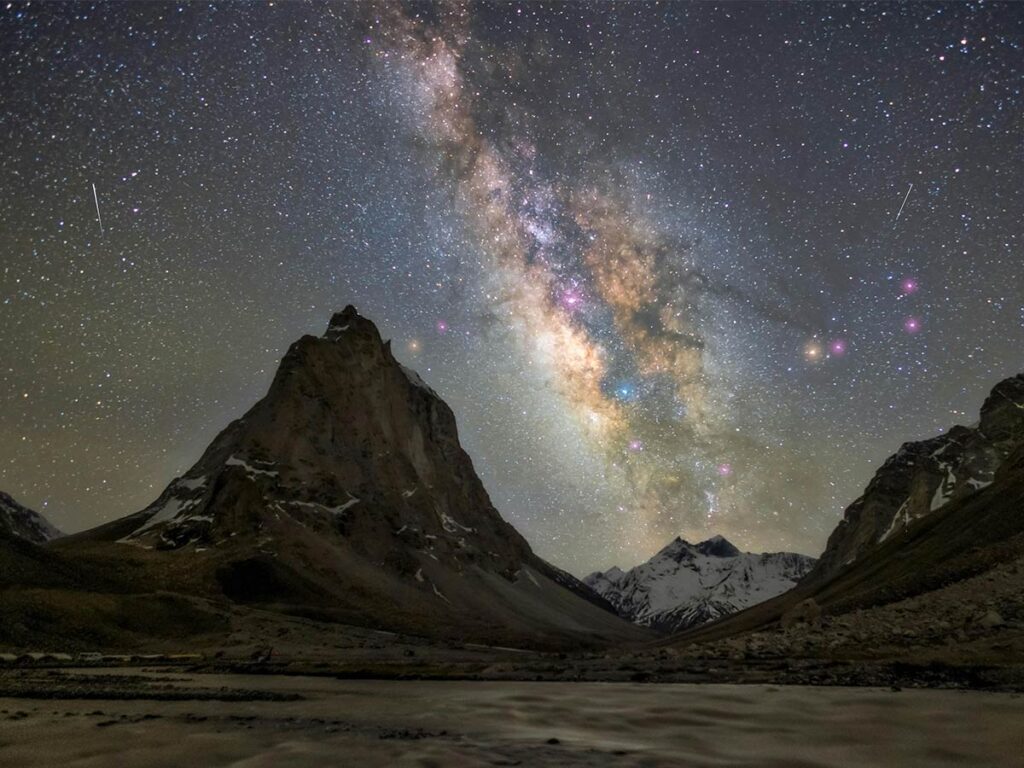
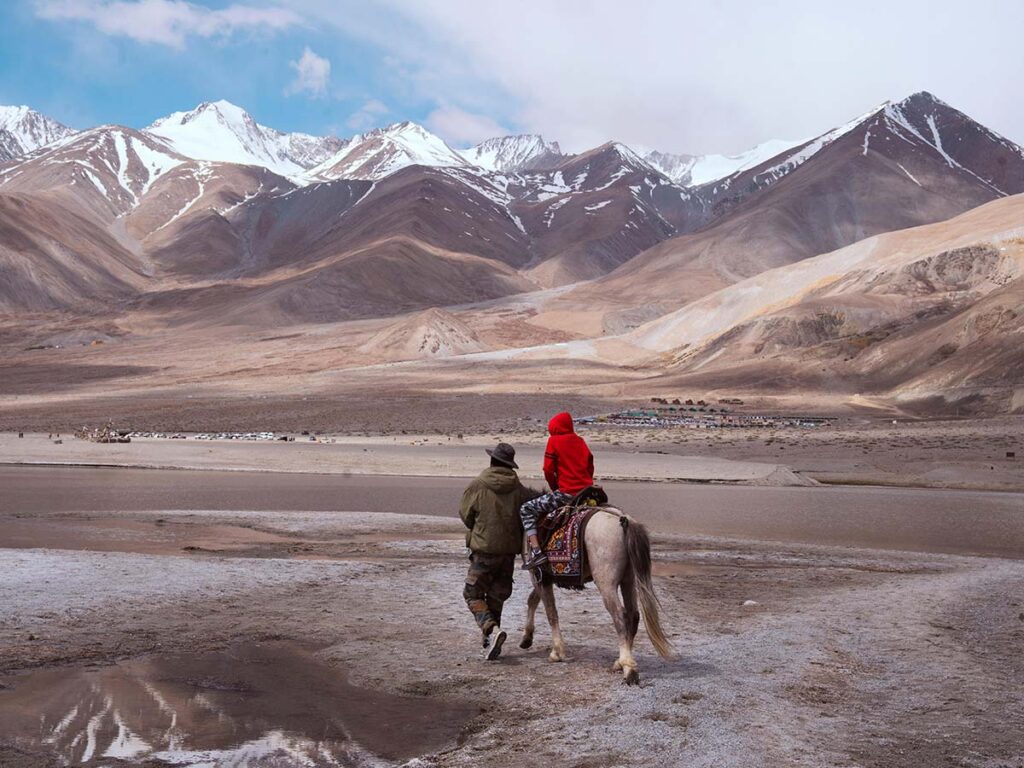
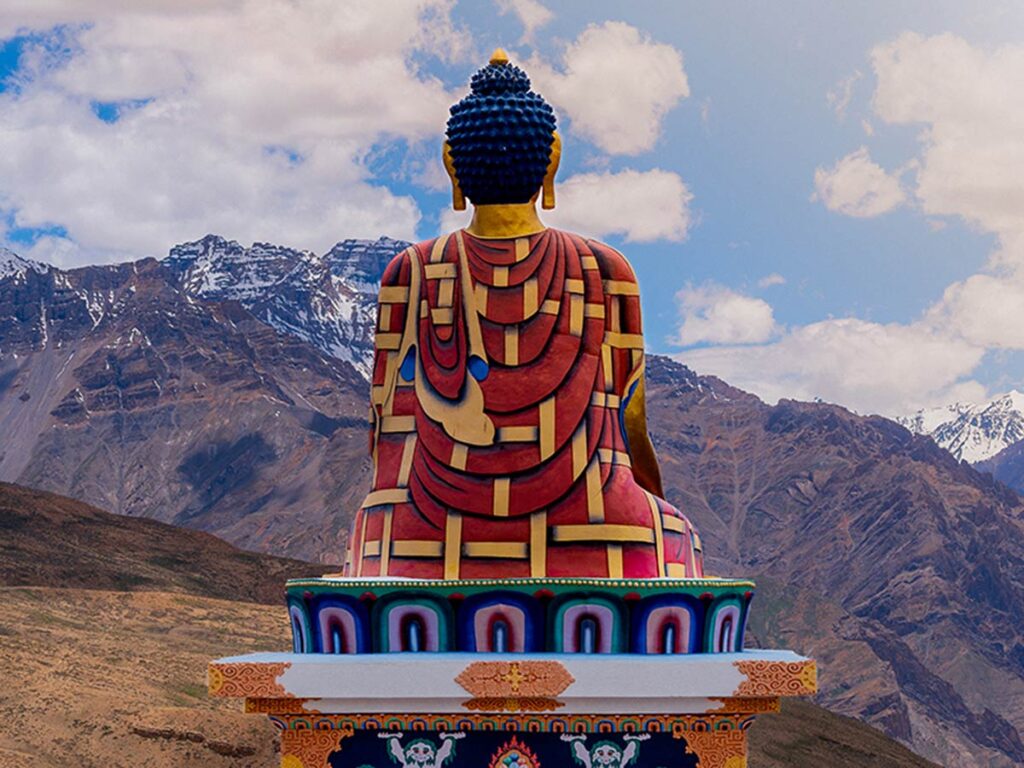
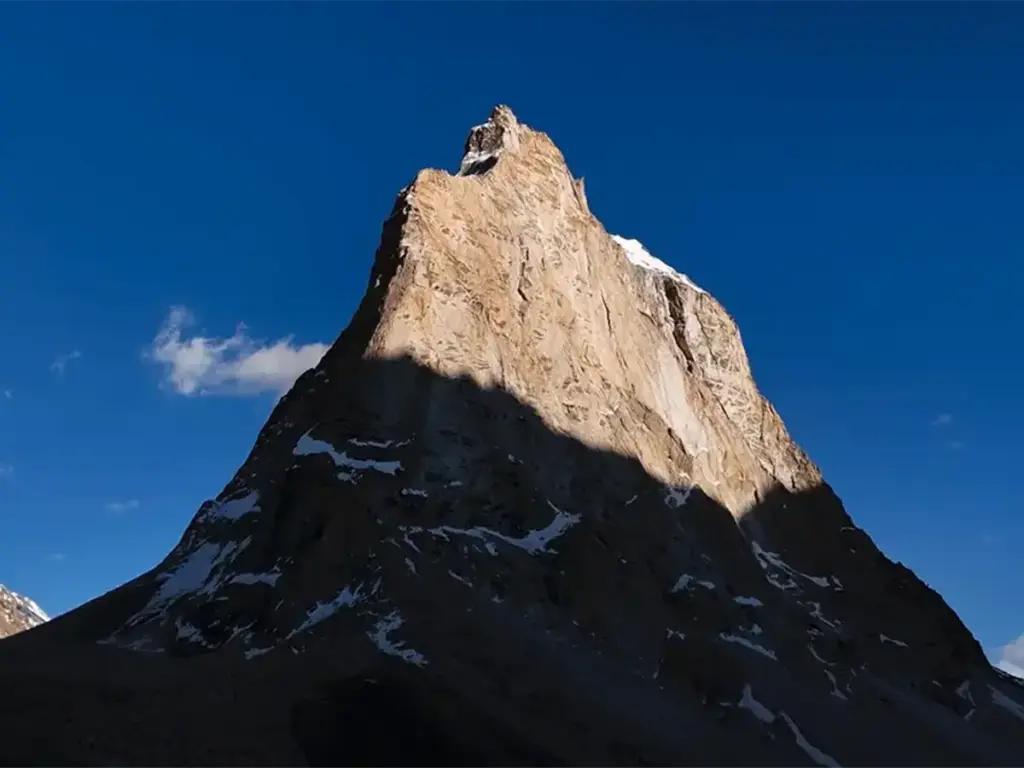
There are valleys in the Himalayas that draw travellers with polished infrastructure, well-marked trails, and mobile signal at camp. Zanskar Valley is not one of them. Tucked into the Kargil District of Ladakh at elevations ranging from 3,500 to 7,000 metres above sea level, Zanskar sits behind walls of rock, ice, and altitude that have kept it insulated from mass tourism longer than almost anywhere else in the Indian Himalayas. That isolation is its defining quality. The valley runs roughly north to south, drained by the Zanskar River — a tributary of the Indus — and flanked by ranges that block the monsoon entirely, turning the valley into a cold desert of exceptional clarity. The main administrative centre is Padum, a town of a few thousand residents that functions as the gravitational centre for a region of monasteries, glaciers, sacred peaks, and trekking routes that have been connecting Tibet, Ladakh, and the Himalayan foothills for centuries. For travelers who want to understand Zanskar Valley before committing to the journey, The Travel Story’s Zanskar Valley expedition covers the full circuit — Shinkula Pass, Phugtal Monastery, Gonbo Rangjon, and Padum. “Zanskar doesn’t ask for your plans. It asks for your patience.” Zanskar Valley: Key Facts at a Glance Detail Data Location Kargil District, Ladakh, India Average Elevation 3,500–7,000 m above sea level Main Town Padum (3,657 m) Best Time to Visit June to September Winter Access Chadar Trek — January to mid-February Key Pass (Manali side) Shinkula Pass — 5,091 m (16,703 ft) Key Pass (Kargil side) Pensi La — 4,401 m (14,436 ft) Major River Zanskar River (tributary of the Indus) Notable Landmarks Phugtal Monastery, Karsha Monastery, Gonbo Rangjon, Drang Drung Glacier, Sani Lake, Mobile Network BSNL, Jio and Airtel limited connectivity in the valley What Makes Zanskar Valley Different Most Himalayan destinations offer a gradient and then you move from connected lowlands into progressively wilder terrain, with escape routes at every stage. Zanskar Valley does not operate on that model. There are only two main road exits first one is Shinkula Pass to the south and the other Pensi La to the north — are both high, weather-dependent, and seasonally closed. The valley operates on its own terms. Zanskar forces a kind of commitment that produces a corresponding depth of experience. The monasteries here are not heritage sites maintained for tourism — they are functioning institutions where monks have lived, studied, and practised for centuries without interruption. The villages are not curated for visitors. The landscape is simply what the landscape remianed up until now like brown mountains, glacier-fed rivers of extraordinary colour, and skies that reward the absence of light pollution with a generosity most travellers do not encounter elsewhere. The Two Routes Into Zanskar Valley Route 1 — Manali to Gonbo Rangjon via Shinkula Pass Full route: Manali → Keylong → Jispa → Shinkula Pass (5,091 m) → Lakhang → Gonbo Rangjon → Purne → Padum The road climbs through the Lahaul Valley before ascending to Shinkula Pass at 16,703 ft — the highest point on this approach and the gateway into Zanskar from Himachal Pradesh. Shinkula typically opens in late May and closes by mid-November. Immediately after descending from the pass, the road reaches the base of Gonbo Rangjon — a solitary, pyramidal sacred peak that rises from the valley floor without the company of surrounding ridges. Locals across Zanskar revere it as a protector mountain; many believe the cliff face carries the image of the Buddha. It marks the psychological entrance to Zanskar as much as the geographical one. The road continues through Kargiakh — the first village of Zanskar — past Muney Monastery and Bardan Monastery, before reaching Purne and then Padum. Route 2 — Kargil to Gonbo Rangjon via Suru Valley and Pensi La Full route: Srinagar → Sonmarg → Zoji La → Kargil → Suru Valley → Rangdum → Pensi La (4,401 m) → Padum → Gonbo Rangjon The Suru Valley approach offers a different landscape from the Manali route — green lower valleys that harden progressively into cold desert terrain as the road climbs toward Rangdum. Before Pensi La, the road passes the Drang Drung Glacier — approximately 23 km long, it is one of the largest glaciers in the western Himalayas and the only glacier in India accessible directly by road. The twin glacial lakes of Stat Tso and Lang Tso sit at the pass itself. From Padum, the road to Gonbo Rangjon heads south through Purne toward the mountain’s base. The Landmarks That Define Zanskar Valley Phugtal Monastery — Lungnak Valley Built into the cliff face of the Lungnak Valley in southeastern Zanskar, Phugtal is among the most visually extraordinary religious sites in the entire Himalayan region. The complex is constructed inside and around a natural cave — the structure extends outward from the rock face in tiers, resembling what many visitors describe as a honeycomb pressed into a cliff. Until the Nimmu-Padum-Darcha (NPD) road was completed in 2022, Phugtal was reachable only by multi-day trek. Today, the trailhead at Purne is road-accessible; the monastery requires a 1.5 to 2-hour hike along the turquoise waters of the Tsarap River. The colour shifts from deep teal to glacial blue depending on the season and light — a consistent feature of every account of the approach. The monastery is an active centre of Tibetan Buddhist scholarship. Visitors are welcome and should remove footwear at the entrance, maintain silence in prayer halls, and seek explicit permission before photographing monks or ceremonies. Karsha Monastery — Above Padum The largest monastery in Zanskar Valley, Karsha dates to the 10th century and sits on a hillside above the Stod River near Padum. Its whitewashed walls, ancient murals, and position make it the most visited religious site in the valley. The annual Karsha Gustor festival — typically held in July or August — draws the entire regional community and is one of the most significant cultural events in Zanskar’s calendar. Gonbo Rangjon — The Solitary Sacred