Quick Answer: Vietnam is better value for Indian travellers in 2026. Vietnam’s e-visa costs $25 for 90 days with multiple entry, while Thailand reinstated visa fees for Indians in 2026. A 7-day Vietnam trip from India costs Rs 50,000 to 90,000 compared to Rs 60,000 to 1,20,000 for Thailand. Vietnam wins on value, safety, and cultural depth. Thailand wins on nightlife, beach infrastructure, and flight availability.
For years, Bangkok was the first word that came to mind when an Indian traveler said “international trip.” Thailand made sense. Visa was easy, flights were cheap, beaches were good, street food was everywhere, and enough of your friends had already been that you knew exactly what to expect. That comfort zone worked for a long time.
Here is what has changed: Thailand is no longer the frictionless option it was. In 2026, Thailand reinstated visa fees for Indian passport holders after a brief visa-free arrangement. Vietnam, in the same window, rolled out a seamless online e-visa system: $25, 90 days, multiple entry, approved in three working days. Two policy changes in opposite directions. The result is a genuine shift in how Indian travellers are planning their Southeast Asia trips and the numbers are showing it.
This is not an argument that Thailand is bad. It is a detailed, data-backed comparison of Vietnam vs Thailand so that the right trip gets made for the right person. For travellers who are already leaning toward Vietnam, the Vietnam destination guide at The Travel Story covers routes, packages, and what to expect across the country.
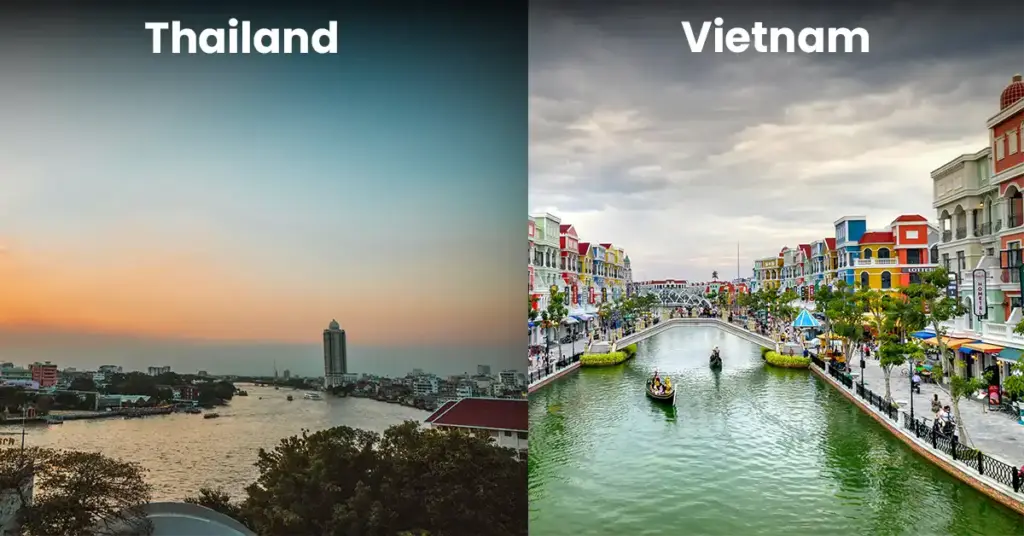
The 2026 Shift: What Actually Changed
The Thailand that dominated Indian travel itineraries for a decade was driven by one thing: low friction. No visa cost, well-established tourism infrastructure, flights from every major Indian city, and a reputation that practically marketed itself.
Two things disrupted that:
Thailand reinstated visa charges for Indians in 2026. Depending on the visa category and processing mode, this adds Rs 2,500 to 4,000 per person to every trip. For a couple, that is Rs 5,000 to 8,000 before a single flight is booked. For a family of four, the number climbs faster. The convenience factor — which was always Thailand’s strongest argument — took a direct hit.
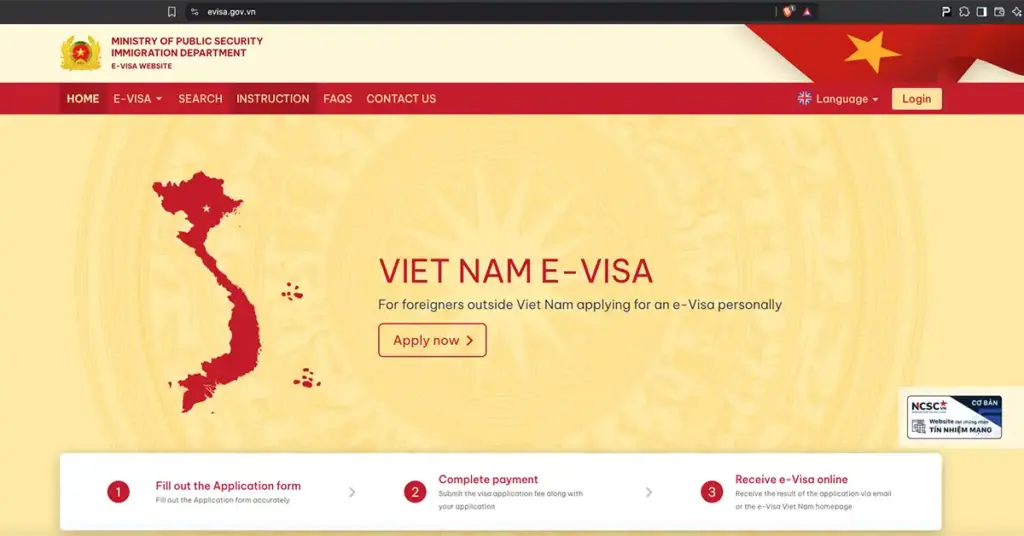
At the same time, Vietnam’s e-visa situation became genuinely excellent. The application takes 15 minutes online at the official portal, approval comes in 3 working days, the fee is $25 (approximately Rs 2,100), and the visa gives 90 days with multiple entries. That is more flexibility than most Indian travellers will ever need. Vietnam also expanded direct flight routes from Delhi, Mumbai, and Bengaluru through IndiGo, Vietnam Airlines, and VietJet, which removed the last logistical argument for choosing Thailand on convenience grounds.
The result is that Vietnam now wins on every metric that previously belonged to Thailand: lower cost, simpler visa, more authentic crowd levels, and a destination that still feels fresh rather than familiar.
Vietnam vs Thailand: Side-by-Side Comparison
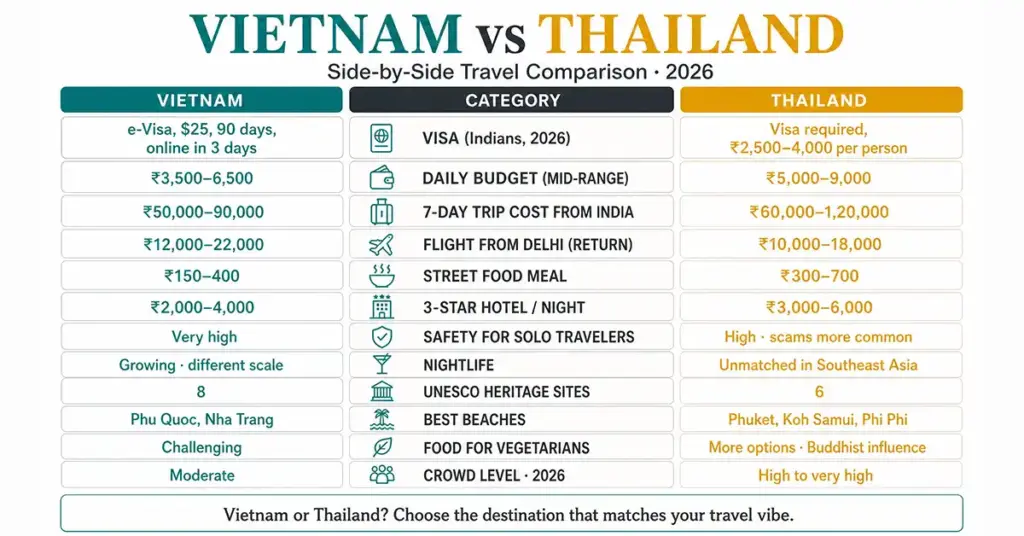
| Category | Vietnam | Thailand |
|---|---|---|
| Visa (Indians, 2026) | e-Visa, $25, 90 days, online in 3 days | Visa required, Rs 2,500-4,000 per person |
| Daily budget (mid-range) | Rs 3,500 to 6,500 | Rs 5,000 to 9,000 |
| 7-day trip cost from India | Rs 50,000 to 90,000 | Rs 60,000 to 1,20,000 |
| Flight from Delhi (return) | Rs 12,000 to 22,000 | Rs 10,000 to 18,000 |
| Street food meal | Rs 150 to 400 | Rs 300 to 700 |
| 3-star hotel per night | Rs 2,000 to 4,000 | Rs 3,000 to 6,000 |
| Safety for solo travellers | Very high | High (scams more common) |
| Nightlife | Growing, different scale | Unmatched in Southeast Asia |
| UNESCO Heritage Sites | 8 | 6 |
| Best beach | Phu Quoc, Nha Trang | Phuket, Koh Samui, Phi Phi |
| Food for vegetarians | Challenging | More options (Buddhist influence) |
| Crowd level 2026 | Moderate | High to very high |
Visa: Vietnam Wins Clearly in 2026
Vietnam’s e-visa is currently one of the most streamlined entry systems for Indian passport holders anywhere in Southeast Asia. The application is completed entirely online at the official Vietnam Immigration Department portal. Documents required: a scan of the passport data page and a passport-size photograph. Processing takes 3 working days. The visa permits 90 days of stay with multiple entries, which means travellers can cross into Cambodia or Laos and re-enter Vietnam without a new application.
Thailand’s situation shifted in 2026. After ending its temporary visa-free arrangement for Indians, Thailand moved back to a visa requirement. The fee and process depend on the type of visa being applied for, but the additional cost of Rs 2,500 to 4,000 per person is now a fixed line item on every Thailand trip budget. For Indian families traveling in groups of four or more, this adds up quickly enough to change the destination calculus.
Verdict: Vietnam wins on visa. The cost difference is meaningful, the process is simpler, and the 90-day duration gives more flexibility than any Thailand visa category available to Indian travellers at comparable cost.
Budget Breakdown: Vietnam vs Thailand in Rupees
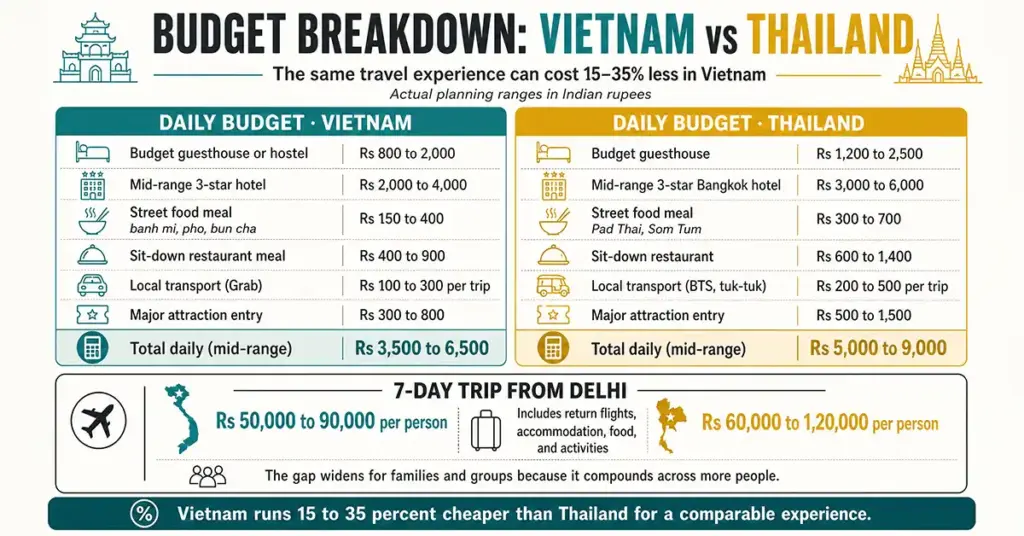
The most consistent finding from travellers who have done both destinations in recent years is that Vietnam runs 15 to 35 percent cheaper than Thailand for a comparable experience. Here is what that looks like in actual numbers:
Daily Budget: Vietnam
- Budget guesthouse or hostel: Rs 800 to 2,000
- Mid-range 3-star hotel: Rs 2,000 to 4,000
- Street food meal (banh mi, pho, bun cha): Rs 150 to 400
- Sit-down restaurant meal: Rs 400 to 900
- Local transport (Grab): Rs 100 to 300 per trip
- Major attraction entry: Rs 300 to 800
- Total daily (mid-range): Rs 3,500 to 6,500
Daily Budget: Thailand
- Budget guesthouse: Rs 1,200 to 2,500
- Mid-range 3-star Bangkok hotel: Rs 3,000 to 6,000
- Street food meal (Pad Thai, Som Tum): Rs 300 to 700
- Sit-down restaurant: Rs 600 to 1,400
- Local transport (BTS, tuk-tuk): Rs 200 to 500 per trip
- Major attraction entry: Rs 500 to 1,500
- Total daily (mid-range): Rs 5,000 to 9,000
A 7-day Vietnam trip from Delhi including return flights, accommodation, food, and activities runs Rs 50,000 to 90,000 per person. The same 7-day Thailand trip runs Rs 60,000 to 1,20,000. The gap widens for families and groups because it compounds across more people.
Flights from India: Vietnam vs Thailand
Thailand still has a slight edge on flight costs from most Indian cities, particularly for last-minute bookings. Bangkok and Phuket are served by more carriers from more Indian cities than Hanoi or Ho Chi Minh City.
- Delhi to Bangkok return: Rs 10,000 to 18,000
- Delhi to Hanoi return: Rs 12,000 to 22,000
- Mumbai to Bangkok return: Rs 10,000 to 20,000
- Mumbai to Ho Chi Minh City return: Rs 14,000 to 25,000
However, the difference when booked 3 to 4 weeks in advance is typically Rs 2,000 to 4,000 per person. Against the visa saving of Rs 2,500 to 4,000 that Vietnam offers, the flight cost advantage of Thailand largely cancels out. For a couple traveling to Vietnam vs Thailand in 2026, the net cost difference after visa and flights is minimal and the remaining budget advantage comes entirely from Vietnam’s cheaper accommodation, food, and activities.
Beaches: Phu Quoc vs Phuket vs Koh Samui
This is the category where Thailand has historically been unchallenged, and where the honest answer is nuanced.
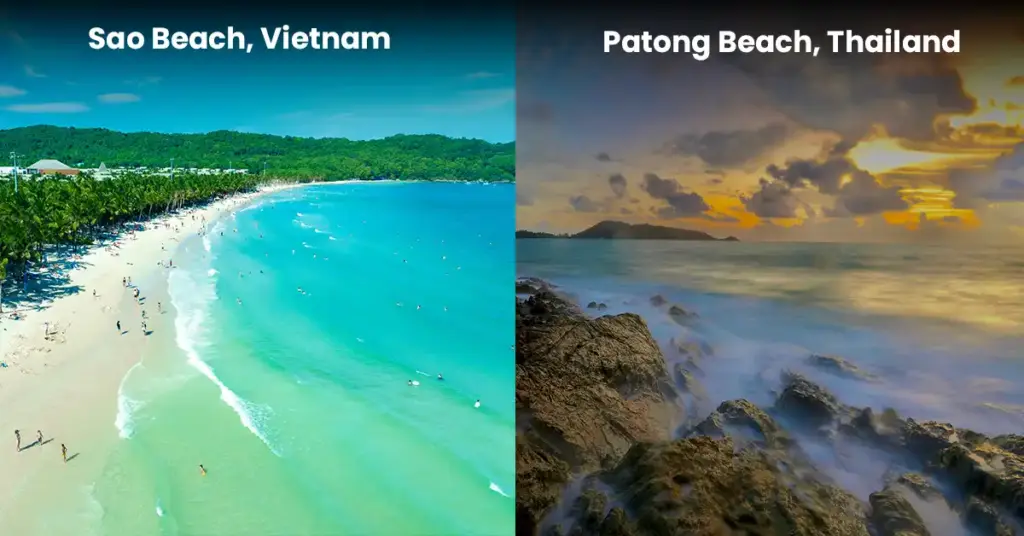
Thailand’s beaches — Phuket, Koh Samui, Koh Tao, Phi Phi Islands — have decades of tourism investment behind them. The infrastructure is excellent: water sports are well-organized, beach clubs are established, the roads work, and the range from budget beach huts to five-star resort stays is broader than anywhere in Vietnam.
The trade-off in 2026 is crowd density. Phuket’s Patong Beach in peak season is the closest a beach in Southeast Asia comes to overwhelming. The bars, the noise, and the sheer volume of people have moved Phuket from “beach holiday” to “beach theme park” for many travellers who visited a decade ago and have not returned.
Vietnam’s Phu Quoc sits in the Gulf of Thailand and has developed fast since the cable car and resort expansion in 2022-2023. The island is cleaner than Phuket, noticeably less crowded, and significantly cheaper across accommodation and activities. The best beach on the island, Sao Beach on the southeastern coast, maintains a quieter and less commercial character than any of Phuket’s main beaches. For a detailed breakdown of when to visit and what to do, The Travel Story’s Phu Quoc season guide is worth reading before booking.
Nha Trang and Da Nang offer different beach experiences. Nha Trang has more of a party and nightlife focus; Da Nang sits next to Hoi An and works well as part of a central Vietnam cultural circuit rather than as a standalone beach destination.
Verdict: Thailand wins on beach infrastructure and variety. Vietnam wins on value, crowd levels, and the freshness of the experience. For travellers who specifically want beach clubs, diving, and an established party-beach atmosphere, Thailand is still the stronger pick. For travellers who want a quieter island with good snorkeling and better value, Phu Quoc now competes seriously.
Cultural Experiences: Vietnam Pulls Ahead
Vietnam has eight UNESCO World Heritage Sites. Each one is in a completely different landscape and period of history, which means no two days of a Vietnam cultural trip feel like the same thing repeated.
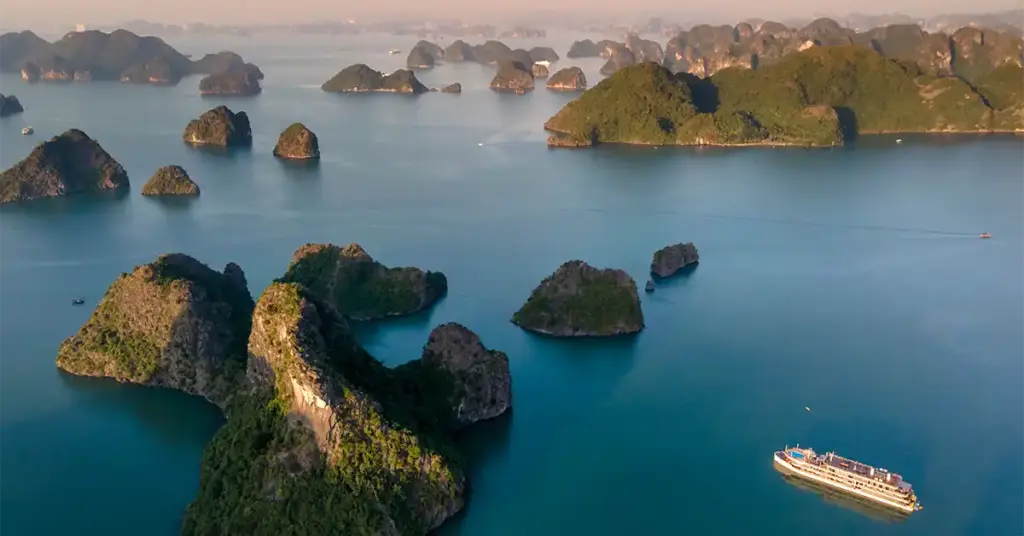
- Ha Long Bay: 2,000 limestone islands in the Gulf of Tonkin; best experienced on a 2-night cruise
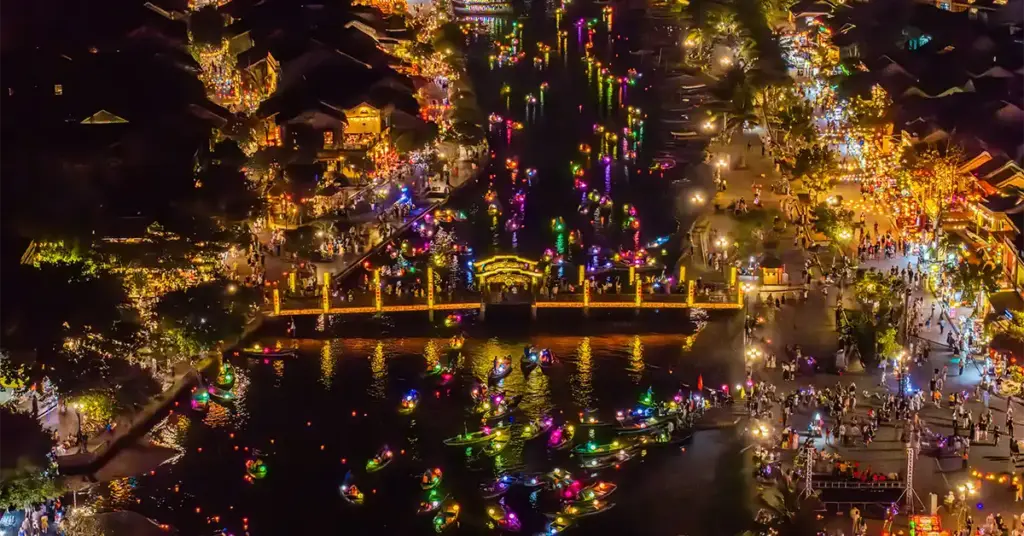
- Hoi An Ancient Town: 15th to 19th century trading port, entirely pedestrianized, lantern-lit evenings
- Hue Imperial Citadel: The complex of the Nguyen dynasty; the scale is comparable to Beijing’s Forbidden City but far less visited
- My Son Sanctuary: 4th to 14th century Hindu temple complex; the Angkor Wat of Vietnam
- Phong Nha caves: Son Doong, the world’s largest cave by volume, is here; Paradise Cave is open to general visitors and is genuinely extraordinary
- Ninh Binh (Trang An): Boat tours through limestone karst waterways and rice paddy valleys; called Ha Long Bay on land
The Cu Chi Tunnels outside Ho Chi Minh City add a dimension that no beach or temple provides: a 20-minute walk through the actual underground network used by Vietnamese forces during the Vietnam War, which collapses the distance between history textbook and lived space in a way that is genuinely affecting.
Thailand’s cultural circuit — Ayutthaya, Sukhothai, and the hundreds of Chiang Mai temples — is equally deep and in some areas better preserved. Chiang Mai specifically has a cultural richness that Bangkok’s reputation as a city of shopping and nightlife overshadows unfairly.
Verdict: Both countries are deeply cultural. Vietnam has more variety in a smaller geographic space, and the war history adds a dimension that Thailand cannot replicate. Thailand has better temple infrastructure and Chiang Mai is exceptional. For travellers for whom cultural depth is the primary criterion, Vietnam offers more distinct experiences per day.
Party Scene and Nightlife: Thailand Still Wins
This is the one category where Thailand’s advantage is structural rather than a matter of preference, and where being honest matters most.
Khaosan Road in Bangkok is the backpacker party headquarters of Southeast Asia. Bangla Road in Phuket operates as a dedicated entertainment district. The Full Moon Party on Koh Phangan draws thousands of travellers to a monthly beach rave. Pattaya serves a specific market with an infrastructure that has been built over decades. These are not the kinds of experiences that Vietnam is competing with or trying to replicate.
Vietnam’s evening scene is genuine but different in character. Bui Vien Street in Ho Chi Minh City is a concentrated nightlife strip with bars, music, and a young crowd that is comparable in energy to certain Bangkok neighbourhoods but smaller in scale. Hanoi’s Old Quarter in the evenings has beer hoi culture: plastic stools on the pavement, very cheap draught beer, and the social texture of a city that is out but not trying hard. Da Nang and Hoi An both have rooftop bars and beachside restaurants that work well for a relaxed evening without the full party infrastructure.
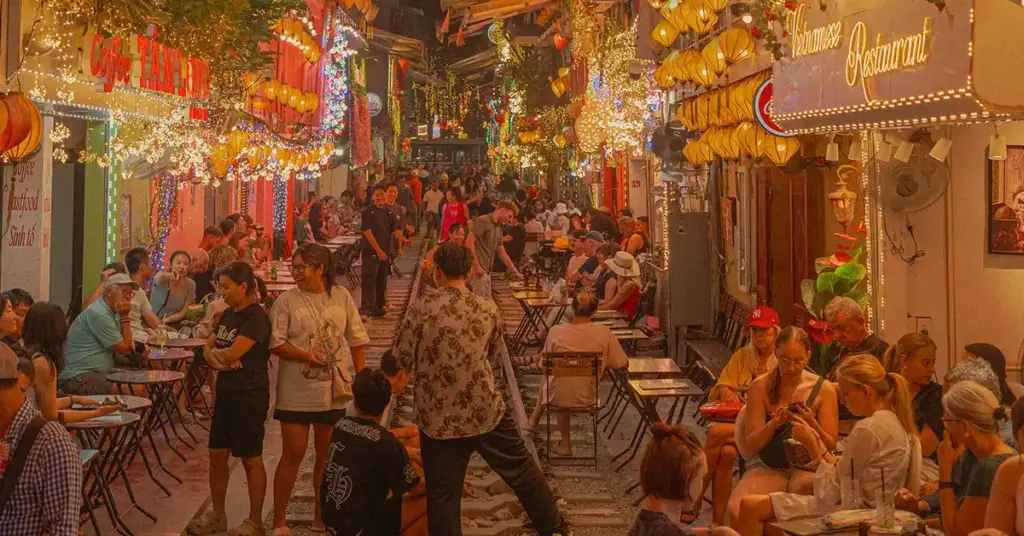
Verdict: Thailand wins on nightlife. This is not a close comparison. If the primary reason for the trip is nightlife and beach clubs, Thailand remains the correct choice. If nightlife is one component among many, Vietnam’s evening scene is good enough and the overall trip calculus still favors Vietnam.
Vietnam vs Thailand for Food
Both countries have exceptional street food cultures, but they work very differently for Indian travellers.
Vietnam’s food is spectacular and specific. Pho in Hanoi, banh mi everywhere, bun cha at lunch counters, cao lau in Hoi An that is made with water from a specific local well and genuinely cannot be replicated elsewhere, egg coffee in Hanoi’s Old Quarter. The range of flavors is extraordinary.
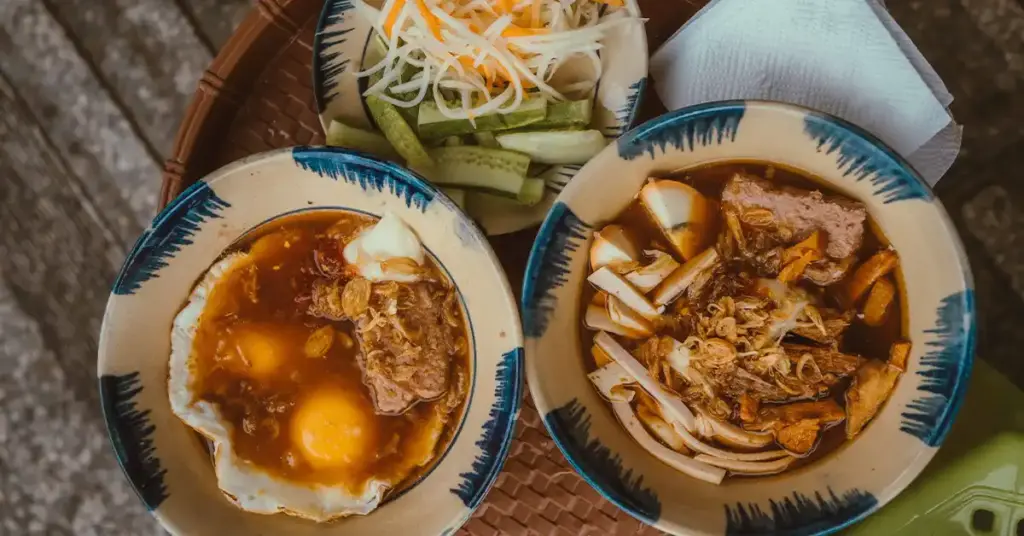
The honest challenge for Indian travellers, particularly vegetarians and Jain travellers, is that most Vietnamese dishes contain fish sauce or meat. Finding genuinely vegetarian meals outside of the tourist centers requires asking specifically and sometimes getting a different answer than expected. Indian restaurants exist in Hanoi’s Old Quarter and in District 1 of Ho Chi Minh City, but the range is limited.
Thailand’s food is more accessible to vegetarian Indian travellers because of the Buddhist vegetarian tradition in northern Thailand and because the tourist infrastructure has responded to Indian market demand in Bangkok and Phuket more thoroughly than Vietnam has. The mango sticky rice, green curry, and Tom Yum are globally familiar enough that first-time international travellers know what to expect.
Verdict: Vietnam wins on food quality and uniqueness. Thailand wins on accessibility for vegetarians and Indian palate compatibility. For travellers where food is the main event, Vietnam is the superior destination. For travellers who need reliable vegetarian options, Thailand is safer.
Vietnam vs Thailand: Attractions Comparison
Beyond the cultural sites and beaches, the activities that draw travellers to each country are genuinely different. For a complete list of what Vietnam offers across its full range, The Travel Story’s things to do in Vietnam guide breaks it down by destination and interest type.
Vietnam’s standout experiences:
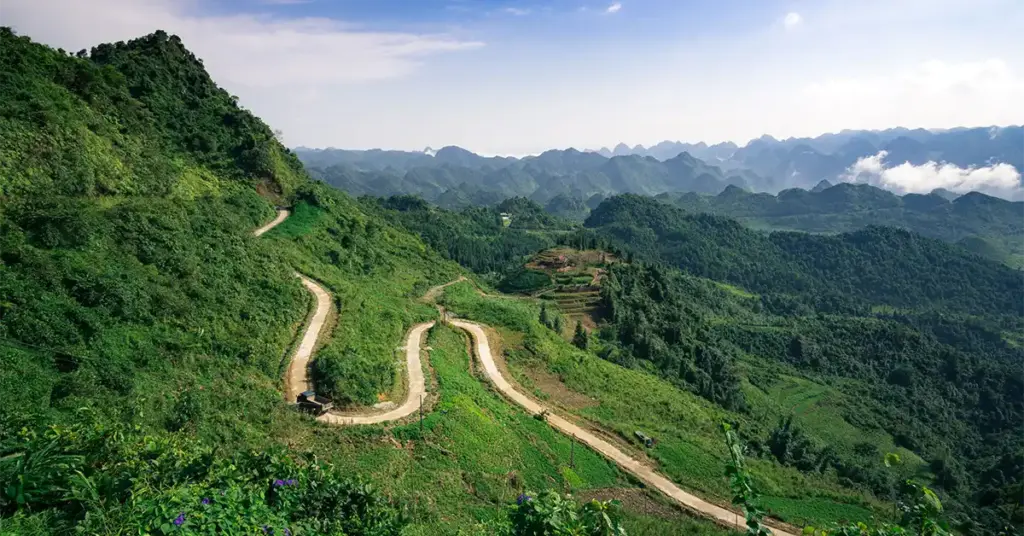
- Ha Giang Loop (motorbike circuit through the northern highlands; the most visually dramatic single-day ride in Southeast Asia)
- Ha Long Bay cruise
- Hoi An Ancient Town at night with lanterns
- Sapa rice terraces (best September-October for harvest)
- Kayaking through Phong Nha caves
Thailand’s standout experiences:
- Elephant sanctuary visits (Chiang Mai)
- Island hopping Phi Phi and Similan Islands
- Ayutthaya Historical Park cycling tour
- Kanchanaburi and the Death Railway
- Diving at Koh Tao (some of the best beginner dive sites in Southeast Asia at low cost)
Vietnam vs Thailand for Couples and Honeymoon
Vietnam has become a strong honeymoon option in 2026, specifically because the combination of Hoi An’s lantern-lit evenings, Ha Long Bay’s overnight cruises, and Phu Quoc’s beaches delivers variety that a single-destination Thailand trip struggles to match.
A Vietnam honeymoon covering Hanoi, Ha Long Bay, Hoi An, and Phu Quoc across 10 days costs approximately Rs 90,000 to 1,50,000 per couple including flights. The range covers budget to comfortable mid-range. Thailand at a comparable comfort level and duration would run Rs 1,10,000 to 1,80,000 per couple.
For couples specifically wanting luxury beach resorts, Thailand (Koh Samui, Krabi) has more established high-end infrastructure. For couples who want a mix of culture, landscapes, and beaches without a single destination feeling crowded or overfamiliar, Vietnam wins.
Safety: Vietnam Wins Outright
Vietnam has one of the lowest tourist crime rates in Southeast Asia. Petty theft, tourist scams, and the organized tuk-tuk and gem shop deceptions that are a genuine issue in Bangkok are effectively absent from Vietnam’s main tourist circuits.
Thailand is broadly safe for tourists but carries a higher frequency of specific scams, particularly in Bangkok (temple tours that end at jewelry shops, taxi overcharging, and grand palace closure scams) and in Pattaya. Solo female travellers consistently rate Vietnam as more comfortable than Thailand for unaccompanied evening movement.
Who Should Choose Vietnam
- Indian travellers whose primary concern is value for money
- Travellers visiting for the first time and wanting a destination that is fresh rather than overfamiliar
- Couples and honeymooners who want variety across one trip
- Solo female travellers who prioritize safety
- Budget backpackers (Vietnam is one of the most affordable backpacking destinations in Southeast Asia)
- Travellers interested in cultural depth and UNESCO heritage
- Anyone for whom the current Thailand visa situation adds friction
Who Should Choose Thailand
- Travellers who specifically want the best beach club and nightlife infrastructure in Southeast Asia
- Families with children who want a well-established, highly organized tourism infrastructure
- Vegetarians who need reliable food options
- Travellers doing a short 4 to 5 day trip where flight convenience and arrival infrastructure matter
- Repeat India-to-Southeast Asia travellers who have already done Vietnam and want contrast
Planning Your Vietnam Trip
If Vietnam is the call, the most important planning decision is the route. Vietnam stretches 1,650 km from Hanoi in the north to Ho Chi Minh City in the south, and covering that span in 7 days requires either domestic flights or the open bus system.
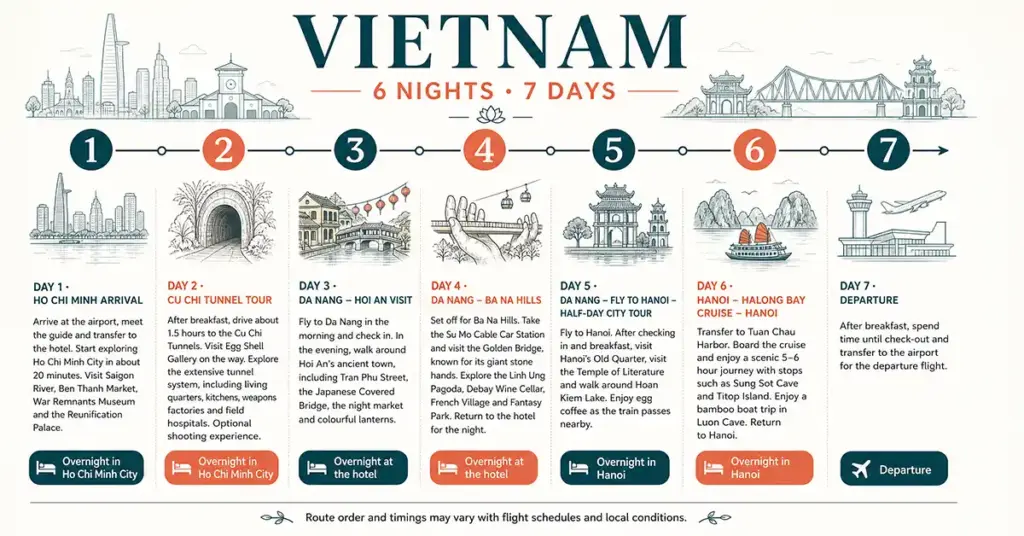
The most efficient 7-day Vietnam itinerary for an Indian traveler coming from Delhi covers Hanoi, a 2-night Ha Long Bay cruise, Hoi An, and Ho Chi Minh City, with one domestic flight connecting north and south. For the full day-by-day breakdown, The Travel Story’s Vietnam itinerary guide covers the route, accommodation, and what to prioritize at each stop.
For travellers who want the trip managed without having to handle the logistics of a 1,650-km country from scratch, The Travel Story’s Vietnam packages are built around this exact circuit with group departures across the season.
FAQ: Vietnam vs Thailand for Indians
1. Is Vietnam cheaper than Thailand for Indian travellers? Yes. A mid-range 7-day Vietnam trip from India costs Rs 50,000 to 90,000 per person, compared to Rs 60,000 to 1,20,000 for a comparable Thailand trip. The difference widens when visa costs are factored in: Vietnam’s e-visa is $25 while Thailand reinstated fees of Rs 2,500 to 4,000 per person in 2026.
2. Do Indians need a visa for Vietnam and Thailand in 2026? For Vietnam, Indian passport holders apply for an e-visa online for $25 (approximately Rs 2,100), valid for 90 days with multiple entries, processed in 3 working days. For Thailand, Indians require a visa following Thailand’s reinstatement of fees in 2026, which adds approximately Rs 2,500 to 4,000 per person to the trip cost.
3. Which is better for a honeymoon: Vietnam or Thailand? Vietnam offers more variety across a honeymoon itinerary: Ha Long Bay cruises, Hoi An’s lantern-lit evenings, and Phu Quoc beaches in one trip. Thailand wins for luxury beach resort stays in Koh Samui or Krabi. Vietnam runs 15 to 35 percent cheaper for comparable accommodation and activities, making it stronger value for a multi-experience honeymoon.
4. Is Vietnam safe for Indian solo female travellers? Yes. Vietnam has one of the lowest tourist crime rates in Southeast Asia. Unaccompanied evening movement in Hanoi’s Old Quarter, Hoi An, and Ho Chi Minh City is routinely reported as comfortable by solo female Indian travellers. Thailand is broadly safe but carries a higher frequency of tourist-targeting scams in Bangkok and Pattaya.
5. Which has better beaches: Vietnam or Thailand? Thailand has more developed beach infrastructure across Phuket, Koh Samui, Koh Tao, and Phi Phi Islands, with a wider range of beach clubs, diving facilities, and resort options. Vietnam’s Phu Quoc is cleaner and less crowded than Phuket and offers better value. For nightlife on the beach, Thailand. For a quieter beach with better value, Vietnam.
6. Is Vietnamese street food suitable for Indian vegetarians? It is challenging. Most Vietnamese dishes contain fish sauce or meat. Vietnam is improving its vegetarian infrastructure in tourist areas, and Indian restaurants exist in Hanoi and Ho Chi Minh City, but the range is limited. Thailand has stronger Buddhist vegetarian tradition and better-established Indian food options in Bangkok and Phuket.
7. How many days is enough for Vietnam vs Thailand? Vietnam requires a minimum of 7 to 10 days to see the main circuit (Hanoi, Ha Long Bay, Hoi An, Ho Chi Minh City). Thailand can be done meaningfully in 5 to 7 days for a Bangkok plus beach combination. For Indian travellers with 7 days, either country works — Vietnam rewards the length more because of its geographic diversity.
8. Is Vietnam better than Thailand for first-time international travellers from India? Vietnam has a simpler e-visa, strong safety record, and a tourism infrastructure that handles first-time travellers well. Thailand remains marginally easier on logistics and has slightly more familiar tourist infrastructure. Both are excellent first international destinations. In 2026, Vietnam’s visa advantage makes it the stronger recommendation on practical grounds.
9. Which country has better nightlife: Vietnam or Thailand? Thailand wins clearly. Khaosan Road in Bangkok, Bangla Road in Phuket, and the Full Moon Party on Koh Phangan are among the best-known nightlife experiences in Southeast Asia. Vietnam has Bui Vien Street in Ho Chi Minh City and a growing bar and rooftop scene, but it operates on a different scale and character from Thailand’s nightlife circuit.
10. Can I combine Vietnam and Thailand in one trip? Yes, and it makes sense for travellers with 12 to 14 days. A common Indian traveler circuit covers Hanoi and Ha Long Bay, then flies to Bangkok, continues to Phuket or Koh Samui, and exits. The combination covers Vietnam’s cultural depth and Thailand’s beach infrastructure without needing to choose between them. Budget for both visa costs and factor in the domestic or regional flight between the two countries.
Conclusion
Vietnam vs Thailand is not a question that has one answer for everyone. It has one answer for each kind of traveler, and in 2026 that answer has shifted more clearly toward Vietnam than it has in any previous year.
For Indian travellers who want the most value from a Southeast Asia trip, the most straightforward e-visa process, the best combination of cultural depth and beach quality, and a destination that has not yet hit the saturation point that Thailand reached years ago, Vietnam is the correct choice in 2026.
Thailand remains the right call for travellers who specifically want the best nightlife and beach club scene in Southeast Asia, those who need reliable vegetarian food infrastructure, or those doing a short trip where Thailand’s slight flight cost and logistical advantage matters.
The shift is not about Thailand getting worse. It is about Vietnam getting genuinely better — on visa, on connectivity, on infrastructure, on value — at exactly the moment that Thailand’s convenience advantage got a little more complicated.

Salman Hashmi is a travel industry expert, group travel leader, and destination specialist with over 3 years of hands-on experience in travel operations, trip management, and destination planning across India now working as a Marketing Executive. His expertise extends beyond leading trips on the ground to managing the critical backend logistics that ensure seamless travel experiences, including itinerary planning, vendor coordination, traveler support, and operational execution.
Over the years, Salman has successfully organized and led group tours to destinations such as Spiti, Kashmir, Tirthan-Jibhi, Jaisalmer, Shangarh, Chopta-Tungnath, Auli, Chakrata, Badrinath, Valley of Flowers, Udaipur, Harsil Valley, and many more. His extensive field experience provides deep insights into local cultures, regional traditions, historical landmarks, and destination-specific travel experiences. Through continuous exploration and interaction with local communities, he has developed a strong understanding of India’s diverse history, heritage, and cultural landscapes.
In the past, Salman has collaborated with and hosted well-known content creators including Richi Shah, TheMaahie, and Trahuller, while managing travel experiences for more than 700 travellers. His combination of on-ground leadership, operational expertise, destination knowledge, and understanding of local history and culture enables him to create trustworthy, experience-driven travel content that helps readers make informed travel decisions with confidence.