Best Time to Visit Spiti Valley: What Actually Happens Each Month

Most “best time to visit Spiti Valley” guides are written from a spreadsheet, not a windshield. They average out rainfall data, glance at a few road-status reports, and land on the same three conclusions every time: June through September, avoid winter, August is peak season. None of that is technically wrong — but none of it reflects what someone who has actually stood in Kaza market in January, or watched a tent shortage turn travellers away from Chandratal in June, would tell a friend planning the trip.

This guide is built from that second kind of knowledge — patterns that only become visible after watching Spiti across every month, not just the popular ones.

A traveler standing with open arms on a rocky cliff edge overlooking a vast, snow-covered mountain landscape under a bright winter sun in Spiti Valley.ft

The Standard Advice Is Already Out of Date

For years, the safe answer was simple: Spiti shuts down in winter, opens in late May, and the reliable window runs July through September. That’s no longer the full picture, for two reasons most guides miss entirely.

First, the shoulder season around Holi has shifted. As the Sangla Holi Festival has grown in popularity over recent years, March now pulls in a genuine surge of travellers timing their trip around it — something that simply wasn’t true a few years back. Winter in Spiti effectively runs from late December through March, ending not when the calendar says spring begins, but when this festival crowd arrives.

Second — and this catches almost every first-time planner off guard — December has quietly become one of the busiest stretches of the year, not one of the quietest.

A group of friends covered in vibrant pink powder smiling during the traditional Sangla Holi festival celebration in the mountains of Himachal Pradesh.

The December 20–New Year Problem

Anyone who has spent late December in Spiti over the last couple of seasons has watched the same thing play out: travellers arrive expecting an empty, snowed-in valley and instead find every homestay and guesthouse fully booked. With nowhere to stay, some have had to descend back toward Kinnaur late at night; others have ended up sleeping in their own vehicles — which, at -20°C to -30°C, isn’t just an uncomfortable night. It’s a genuine health risk by the next morning.

This is the single biggest correction to the “winter is quiet” assumption: if traveling between December 20 and New Year’s, accommodation needs to be booked as far in advance as peak summer — not as an afterthought. January through early March, outside the Holi window, remains genuinely quiet. That part of the old advice still holds.

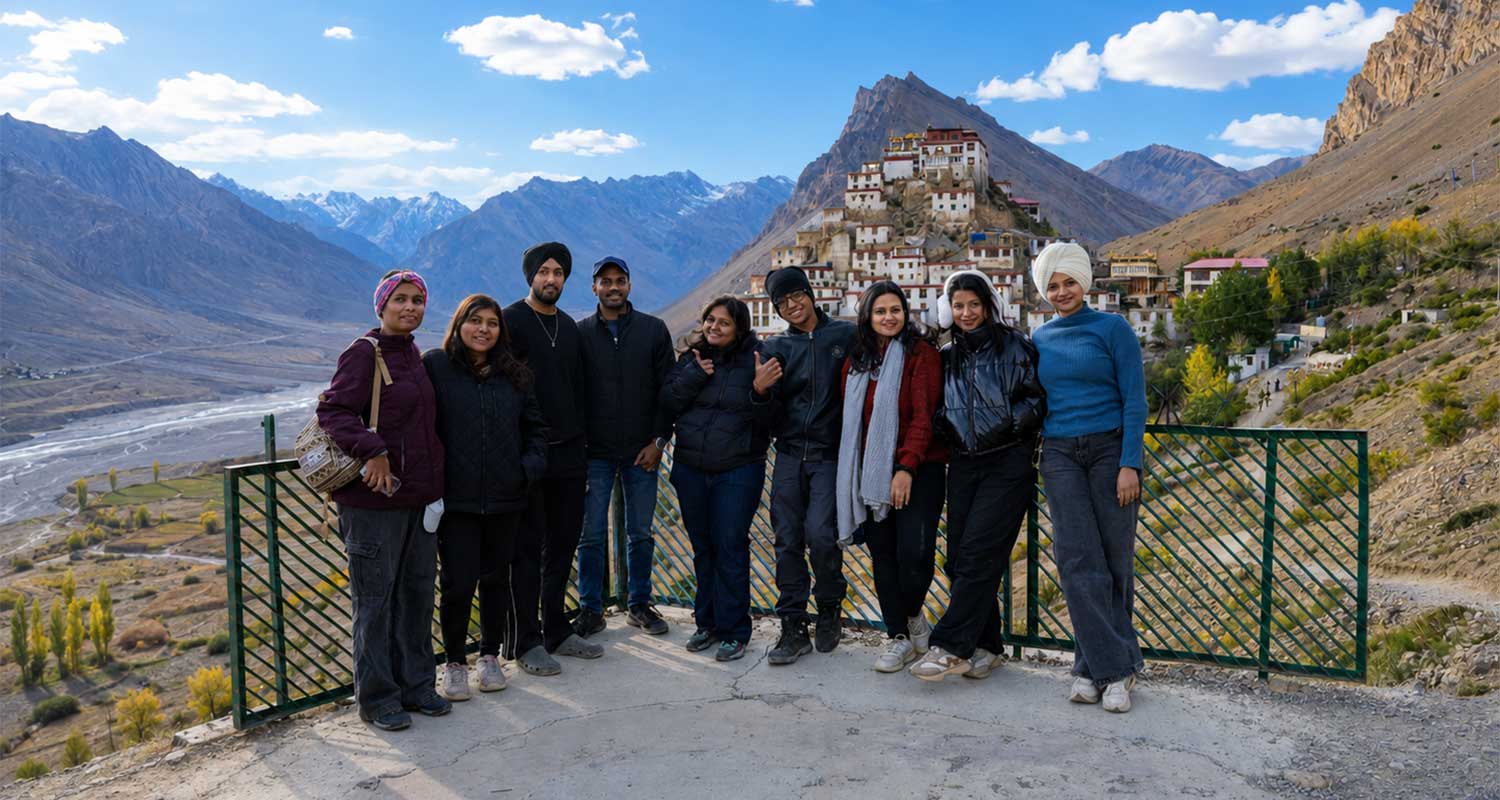
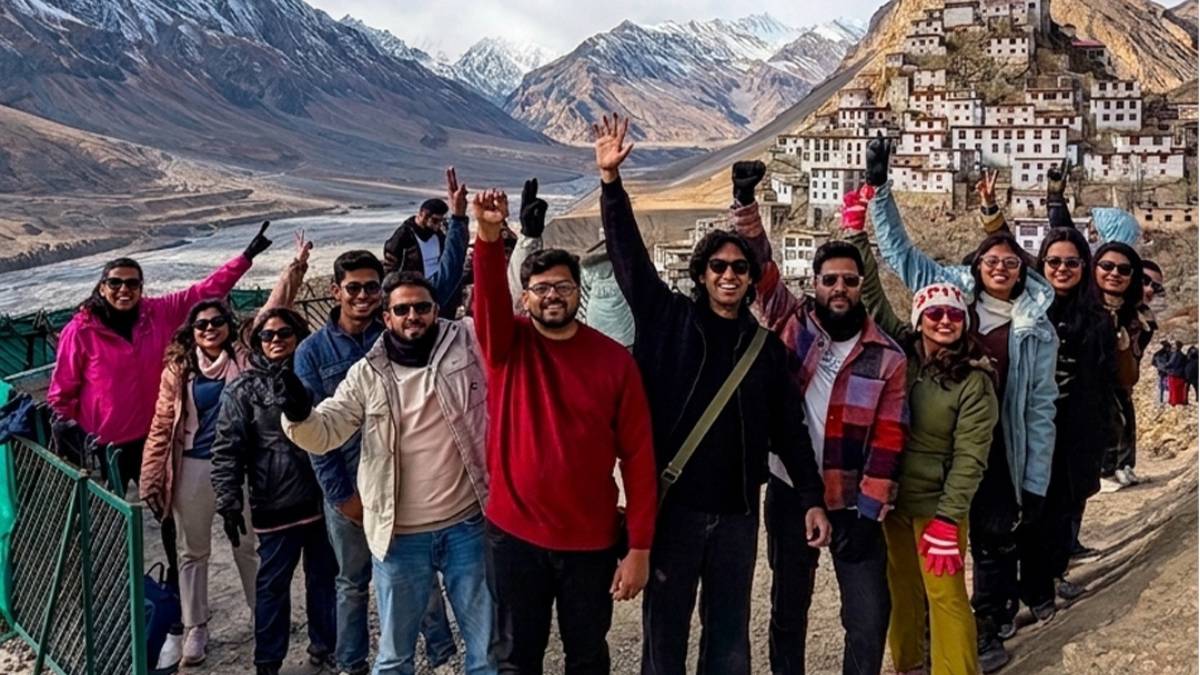
A large group of cheerful travellers posing together for a group photo in front of a traditional stone building during a winter tour in Spiti Valley.

What Winter Actually Demands

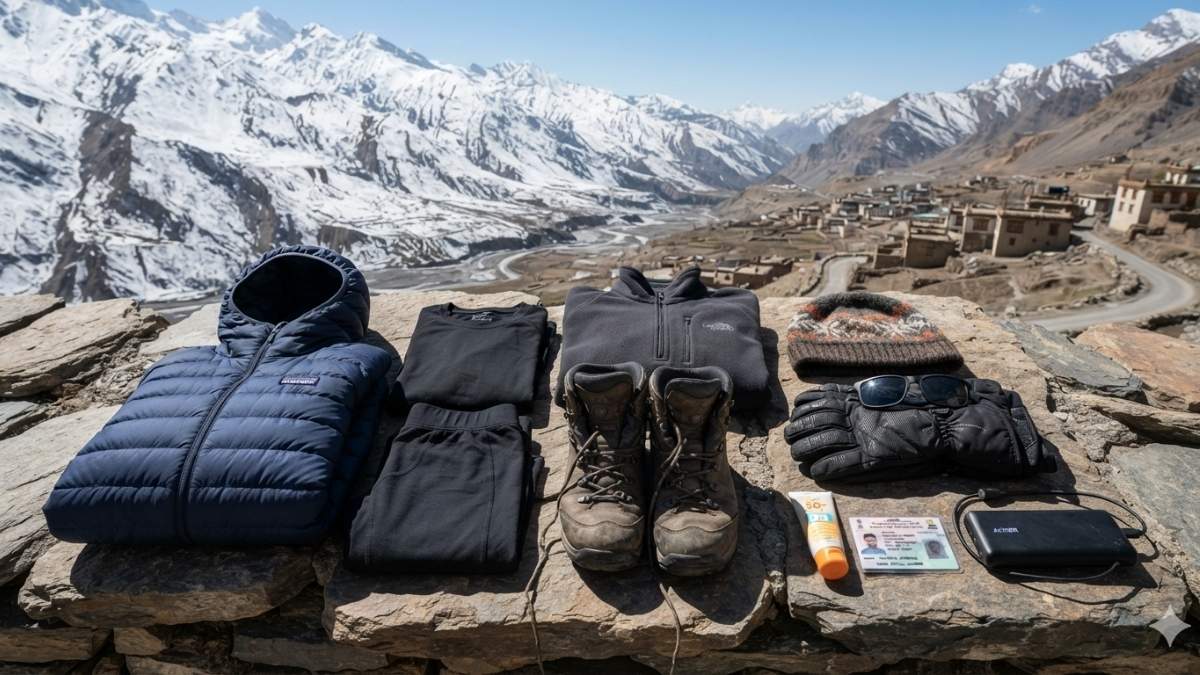
Winter cold here isn’t a number on a forecast app — it’s a planning requirement. Temperatures sit between -20°C and -30°C through January and February, and underestimating this is the single most common way people get sick on a winter trip. Layering isn’t a nice-to-have; at minimum, three proper layers are needed for anyone spending real time outdoors.

Daily rhythm changes shape too. Shops close well before evening, and in Kaza market specifically, most cafés don’t open at all through the coldest stretch — a detail that surprises travellers expecting the same market pace they’d find in July.

For anyone who specifically wants to see Spiti completely under snow — not just cold, but visibly white from end to end — late January through mid-February is the window. This stretch also happens to overlap with the best chances for snow leopard sightings, with Kibber and Chicham offering the strongest odds in late December and early January, as the animals move down to lower elevations.

A striking high-angle view of the iconic Key Monastery perched on a hill, completely enveloped by a massive, snow-covered landscape and frozen mountain valley in winter.

June Looks Like Peak Season Because It Is

The other major gap in standard advice is treating “summer” as one undifferentiated block. In practice, late May through June functions as its own peak season — and in some ways, a busier one than July or August.

The clearest evidence: in the first week of June 2026, shortly after Chandratal reopened for the season, an estimated 3,500 vehicles — a mix of tempo travellers, cars, bikes, and campers — arrived at the lake. The campsite, located roughly 2 km before the Chandratal parking area, ran out of tents, and a significant number of travellers had to turn back without a place to stay. This wasn’t a one-off; June crowd pressure at Chandratal has been building for several consecutive seasons.

There’s a second, more specific June problem worth knowing by name: Tabo. Each June, groups of practicing yogis travel to Tabo Monastery and pre-book homestays for their stay — often weeks ahead — leaving very little available for general travellers. Anyone planning to base themselves near Tabo in June is better off considering Nako, Hurling, or Poh village instead, all of which sit within easy reach of the same stretch of road.

Pricing follows the same pattern: rates climb sharply for the Christmas window in December and stay elevated through all of June — not just during the traditional July-August window most guides flag as “peak.”

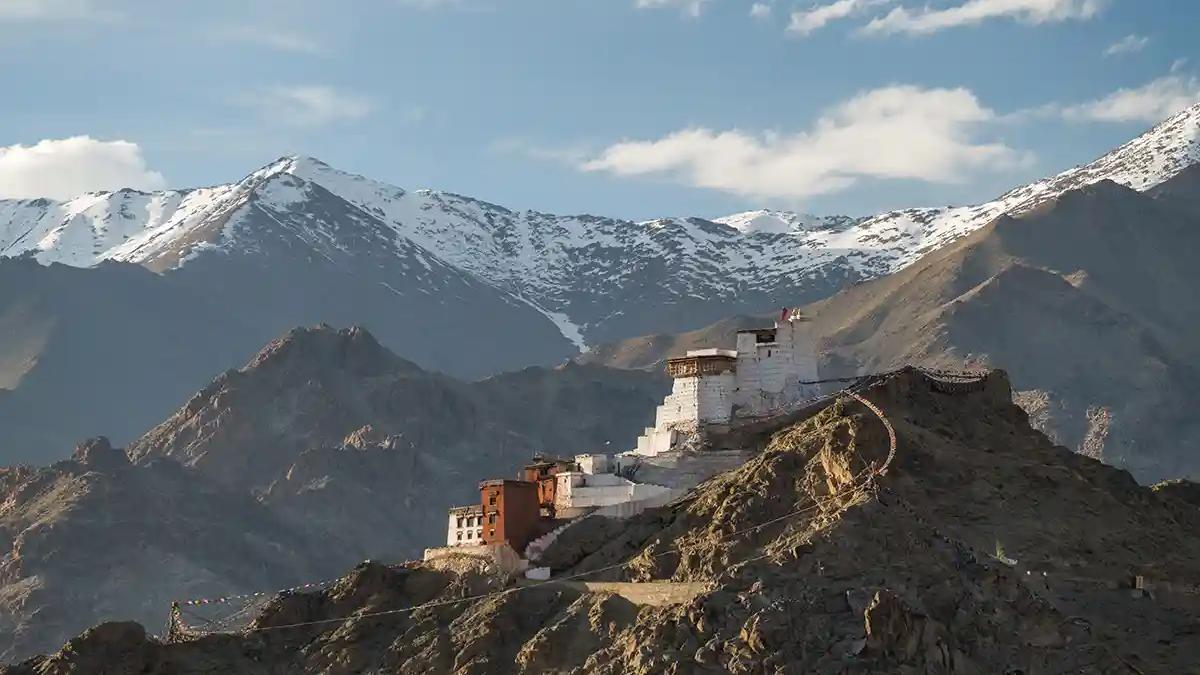
An elderly Buddhist monk in traditional maroon robes walks along a stone pathway in front of a large golden and white stupa, with towering, barren mountain slopes under a partly cloudy sky.

July: Spiti Stays Dry, the Roads In Don’t

Spiti itself sits in a rain shadow and genuinely sees very little monsoon rainfall — that part of the standard advice holds up. What usually gets left out is that both approach routes, Shimla-Kinnaur and Manali, can see heavy rainfall in July even while Spiti proper stays dry. The practical fix is straightforward: check a reliable forecast source like AccuWeather for the approach route specifically, not just for Spiti itself, before setting out in July.

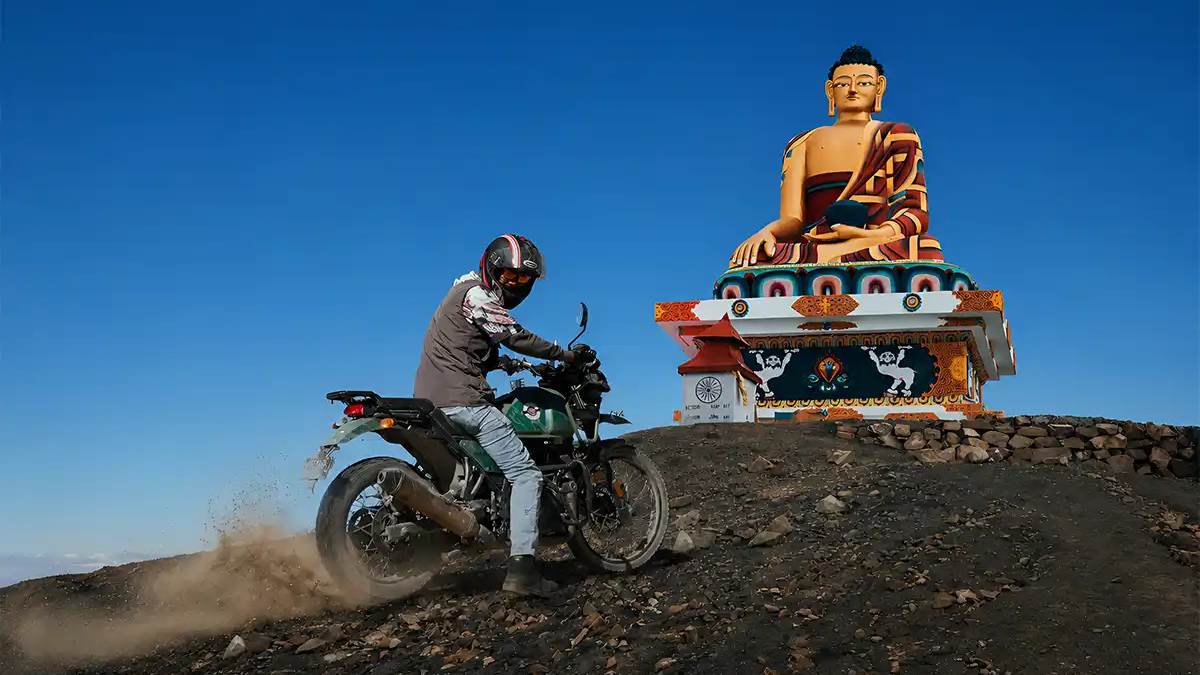
Rear view of the iconic colorful seated Buddha statue in Langza village, looking out toward the massive, rugged mountain ranges of Spiti Valley under a blue sky.

September and October: Clear Skies, Unpredictable Edges

September and October bring less rainfall overall, but “less rain” doesn’t mean “predictable.” Weather here can shift fast — a clear morning can turn to snow by afternoon, or stay clear for days straight. Most days remain clear, but the moment cloud cover blocks the sun, temperatures drop quickly enough to catch people off guard. Keeping a jacket within reach, even on a clear-looking morning, isn’t optional in this window.

This is also where the most important correction to standard advice sits: based on past seasons, Chandratal has closed in early October more than once. September isn’t just the “nicer” month for Chandratal — for most years, it’s the last realistic window to see it at all before the lake and the road to it shut down for the season.

A wide, scenic landscape of a serene high-altitude lake with calm, deep blue water nestled against massive, barren, sunlit mountain ranges under a light blue sky with scattered clouds.

Crowd Patterns Most People Get Backwards

If there’s one assumption worth challenging directly: most travellers expect August to be the busiest month. In practice, June and July have consistently shown heavier crowd density than August within the same summer. Anyone optimising for a quieter trip inside the open-road window should be looking at late August or September — not avoiding July in favour of August, the way most planning advice suggests.

A row of illuminated orange camping tents pitched against a dark mountain silhouette under a vibrant, star-filled night sky showcasing the Milky Way galaxy.

Where the Roads Actually Get Difficult

Two specific stretches are worth knowing by name, not just by general warning.

On the Shimla side, Nigulsari near Kinnaur Gate is the recurring problem spot — the road surface here deteriorates with frequent landslides through the monsoon months, more so than most other points on that route.

On the Manali side, the route itself doesn’t carry as many landslide-prone patches, but the Gramphu-Chandratal stretch has a different issue entirely: water crossings. Multiple vehicles get stuck here every season, particularly when meltwater volume runs high.

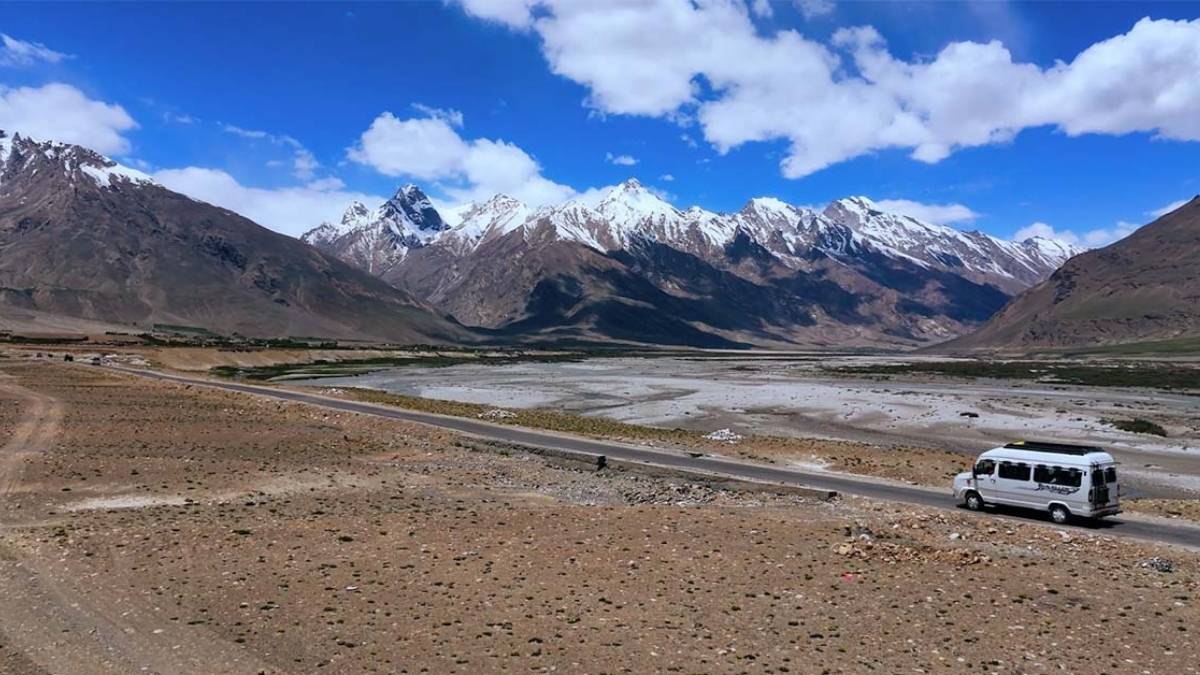
A white vehicle drives along winding mountain switchbacks on a rugged dirt road traversing a steep, rocky valley with distant snow-capped peaks.

Where the Light Is Best

Photography conditions hold up across most months — one area where Spiti is more forgiving than the road and weather concerns suggest. Even cloudy days work in a photographer’s favor here: when clouds move across the sun, the resulting shadow-and-light contrast across the valley is often more dramatic than a flat, clear-sky shot. Chandratal and Key Monastery consistently produce the strongest results, in any season.

Dramatic sunbeams breaking through clouds over a winding river valley and glacial lake surrounded by towering, snow-capped Himalayan peaks in Spiti Valley.

A Realistic Month-by-Month Reference

PeriodWhat’s Actually HappeningPlan Around
Dec 20–New YearSurprisingly the busiest winter stretch; accommodation books outBook stays weeks ahead, same as peak summer
Jan–early FebGenuinely quiet; -20°C to -30°C; full white landscapeBest window for the “complete snow” experience; pack 3+ layers
Late Dec–early JanBest snow leopard sighting windowBase near Kibber or Chicham
Holi (March)Sharp traveler surge tied to Sangla Holi FestivalBook ahead if timing the trip around the festival
Late May–JuneFunctions as peak season; Chandratal overcrowding and tent shortages reportedBook Chandratal stays in advance; avoid Tabo, consider Nako/Hurling/Poh instead
JulySpiti stays dry; approach roads (Shimla/Manali side) may see heavy rainCheck AccuWeather for the approach route, not just Spiti
AugustCrowd levels typically lower than June-July despite its “peak season” reputationGood window for a relatively quieter trip within peak season
SeptemberClearest skies, most stable weather; last reliable window for ChandratalPrioritize this month if Chandratal is on the list
Early OctoberChandratal has closed in past years around this point; weather increasingly unpredictableDon’t bank on Chandratal being open; carry a jacket regardless of forecast
A detailed travel infographic titled "Best Time to Visit Spiti Valley: What Actually Happens," featuring a month-by-month breakdown of temperatures, weather icons, road conditions, and tourist crowd realities.

The Bottom Line

There isn’t a single best month for Spiti Valley because there’s a best month for each specific thing someone wants from the trip. The standard advice gets several of those wrong. December isn’t quiet anymore unless carefully timed around the holidays. June is already peak season, not a shoulder month easing into one. August is often calmer than its reputation suggests. And September, more than any other month, is the one that’s genuinely irreplaceable — both for Chandratal access and for the clearest stretch of skies the valley sees all year.

For travellers planning around these specific windows, The Travel Story’s Spiti Valley packages run through the season, including the full circuit with Chandratal timed for the months when the lake is actually accessible.


FAQ: Best Time to Visit Spiti Valley

Here are some frequently asked questions about Spiti Valley. Find answers about which month suits you the best.

1. Is December a quiet time to visit Spiti Valley?

Not anymore, at least not all of it. The period from December 20 through New Year’s has become one of the busiest stretches of the year, with accommodation regularly booking out and some travellers unable to find a stay. January through early March, outside the Holi window, remains genuinely quiet.

2. Why has March become busier in Spiti Valley?

The growing popularity of the Sangla Holi Festival has pulled a noticeable surge of travellers into the region specifically around Holi, a pattern that has strengthened in recent years and now extends what was traditionally considered off-season.

3. Is June really as crowded as July or August in Spiti?

Often more so. In the first week of June 2026 alone, an estimated 3,500 vehicles arrived at Chandratal shortly after it reopened, overwhelming the campsite’s tent capacity. Crowd density in June and July has consistently run higher than in August.

4. When does Chandratal close for the season?

Based on past seasons, Chandratal has closed in early October more than once, making September the most reliable final window to visit rather than a flexible, nice-to-have choice.

5. Does Spiti Valley get monsoon rain in July?

Spiti itself receives very little rainfall even during the monsoon, due to its position in the Himalayan rain shadow. However, the approach routes — via Shimla-Kinnaur or Manali — can see heavy rainfall in July, which is the more relevant risk to check before traveling.

6. Where should I stay near Tabo in June?

Homestays in Tabo are frequently pre-booked in June by visiting groups of practicing yogis, leaving little availability for general travellers. Nako, Hurling, and Poh village are practical alternatives within reach of the same route.

7. What’s the best time to see snow leopards in Spiti?

Late December through early January offers the strongest chances, with Kibber and Chicham being the most reliable locations as the animals move to lower elevations during this period.

8. Which roads are most likely to cause delays in Spiti?

On the Shimla side, the stretch near Nigulsari close to Kinnaur Gate sees frequent monsoon-season landslides. On the Manali side, the Gramphu-Chandratal stretch has multiple water crossings where vehicles regularly get stuck, particularly during high meltwater periods.

Leave a Comment

Your email address will not be published. Required fields are marked *