There’s a specific kind of traveller who books two weeks in Vietnam and ends up rescheduling their flight home. You’ll meet them in every guesthouse from Hanoi to Phu Quoc and can easily be differentiated slightly sunburned, holding a bowl of pho they didn’t ask for but can’t stop eating, already making plans to come back. Vietnam does that. It earns that loyalty through sheer sensory overload: the food, the noise, the landscapes, the history, and the warmth of people who seem genuinely unbothered by how many backpackers have tramped through their streets.
If you’re putting together your Vietnam itinerary and wondering what to prioritize, this guide cuts through the noise. Whether you’re planning your first Southeast Asia trip or your fourth return to Vietnam, these are the experiences that actually hold up.
Before diving in, if you want a structured starting point for your trip, The Travel Story’s Vietnam travel packages are worth a look. It is curated for backpackers and travel enthusiasts, covering most of the part without being rushed.
Quick Answer
Vietnam offers 50+ diverse activities across three distinct regions. Northern Vietnam features cultural cities like Hanoi and natural wonders like Halong Bay. Central Vietnam showcases heritage sites in Hoi An and adventure activities in Da Nang. Southern Vietnam includes the bustling Ho Chi Minh City and tropical Phu Quoc Island. The best time to visit is October through April when weather is stable across all regions.
Hanoi: Where Vietnam’s Soul Lives on the Street
Land in Hanoi and take a walk into Hanoi’s Old Quarter and you’re walking into organised chaos. Thirty-six streets, each historically named after the trade practiced there — silk street, paper street, tin street.
The Old Quarter isn’t a museum. It’s a living, breathing neighbourhood where people actually live and work. You’ll see grandmothers selling flowers from the same spot their mothers sold flowers. Teenagers on motorbikes weaving through crowds. Vendors setting up for the evening rush.
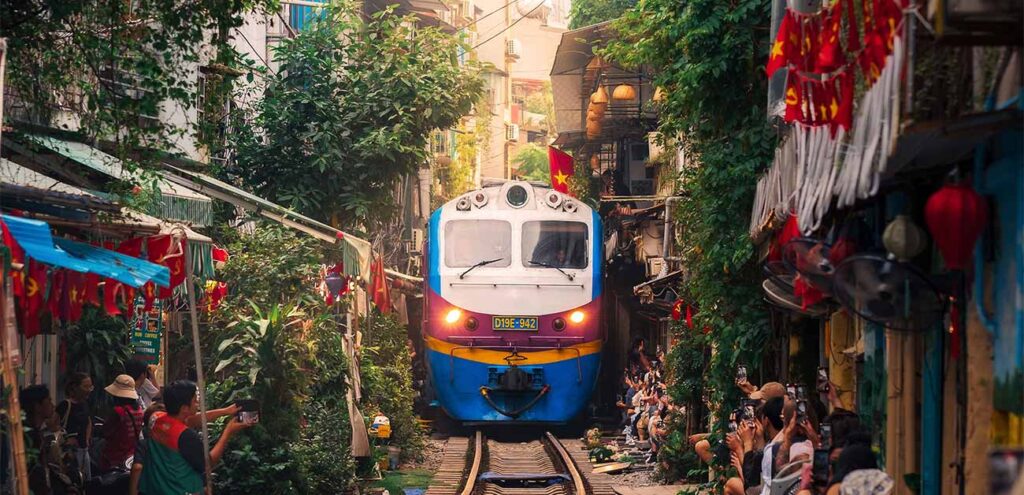
Here’s what to actually do: Wander and explore cafes, eat pho at a place with plastic stools and no English menu. Sit at a street-side or go directly to Train Street where trains runs through right next to cafés and watch the city move around you. Visit Hoan Kiem Lake at sunrise when locals are exercising and the city is still quiet.
Don’t skip the Temple of Literature — Vietnam’s first national university, founded in 1070. It’s genuinely beautiful and chronically underrated compared to the touristy frenzy around the Ho Chi Minh Mausoleum complex nearby.
Best time: Early morning (6-8 AM) or evening (5-7 PM)
Halong Bay: More Than Just a Scenic Cruise
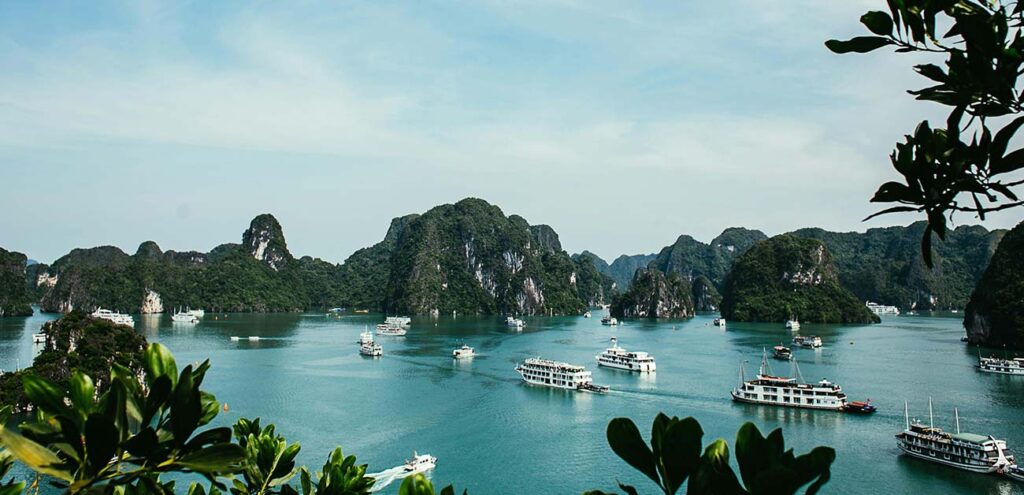
Halong Bay is famous. Too famous, maybe. Which means most travelers show up, take photos of the limestone karsts, and leave thinking they’ve seen Vietnam. But it doesn’t change the fact that the cruise ride worth every hype. The scenery is stunning. Thousands of limestone islands rising from the water like something from a fantasy film. But Halong Bay is actually a UNESCO World Heritage Site because of its geological significance, not just its beauty. The karsts tell a story about how the earth moves and changes over millions of years.
Real things to do in Halong Bay go beyond the standard cruise. Kayak through hidden lagoons where you’ll see caves that few tourists ever reach. You can also visit Cat Ba Island and hike to the viewpoint where you can see the entire bay spread out below you. Snorkel in areas where the water is actually clear and you can see fish.
Best time: October-November, March-April
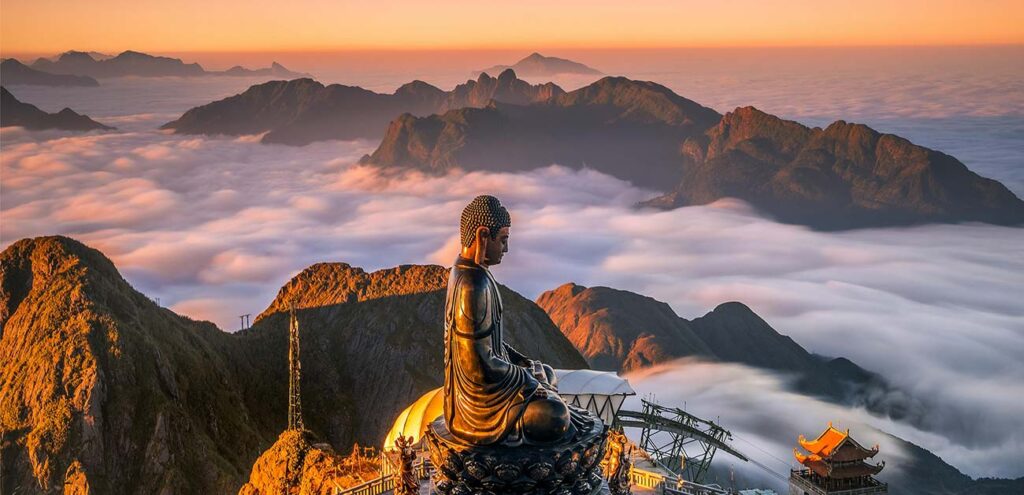
Sapa: Misty Mountains and Rooftop Of Vietnam
Sapa sits in the mountains of northern Vietnam, about 350 kilometers from Hanoi. It’s high enough that it gets cold. High enough that it gets misty. High enough that you feel genuinely far from the chaos of the cities.
The main thing to do in Sapa is trek through rice terraces that have been farmed the same way for centuries and walk past villages where people still dress in traditional clothing, not because it’s for tourists, but because it’s how they dress. You’ll meet Hmong families who will invite you into their homes and offer you tea.
Visit the “Rooftop of Vietnam” Fansipan Peak which is the highest peak of Indochinese Peninsula. You can take a 15-minute panoramic cable car ride to reach on top of the Fansipan Peak.
Best time: September-November, March-May
Ninh Binh: The Underrated Alternative
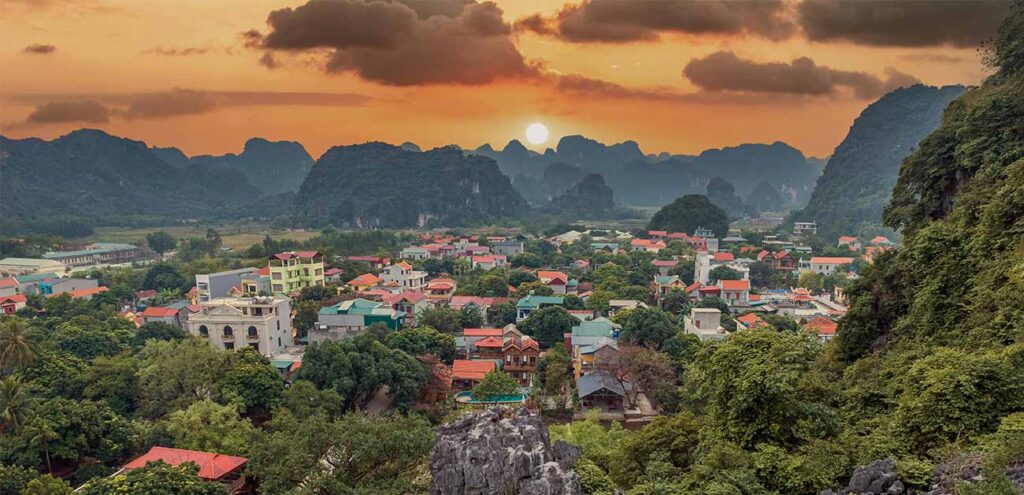
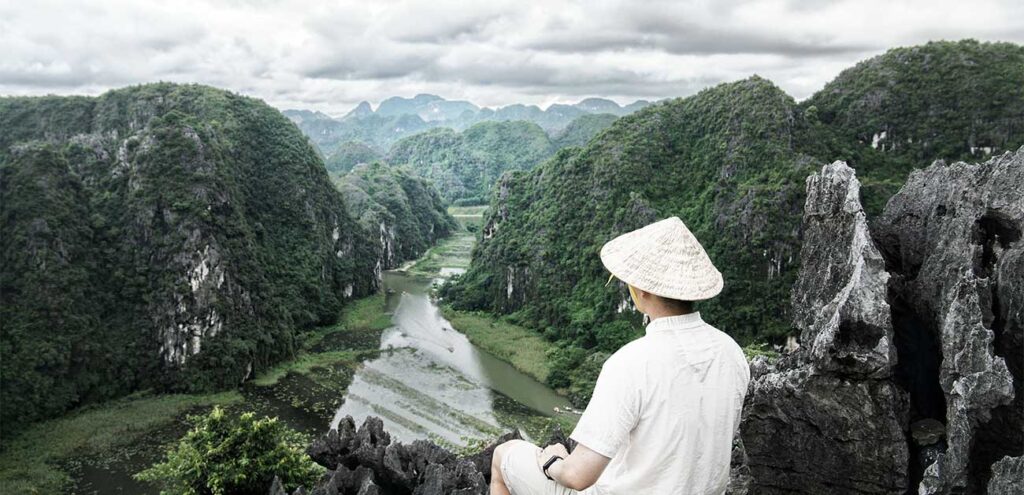
Ninh Binh is what Halong Bay was before it became famous. Sometimes called “Ha Long Bay on Land” and it is growing in popularity, and for good reason. Limestone karsts, caves, rivers, and villages—all the same geological drama, but without the crowds.
Things to do in Ninh Binh include boat rides through Trang An, where you’ll float through caves and past villages. Climbing Mua Cave’s 500 steps rewards you with views that rival anything in northern Vietnam. Visiting Hoa Lu, the ancient capital, teaches you about Vietnamese history in a way textbooks never can.
The real advantage of Ninh Binh? You can actually breathe. You can sit by the river without feeling like you’re in a theme park. You can have conversations with locals who aren’t used to seeing fifty tour groups a day.
Best time: October-April
Hoi An: The Town That Refused to Change
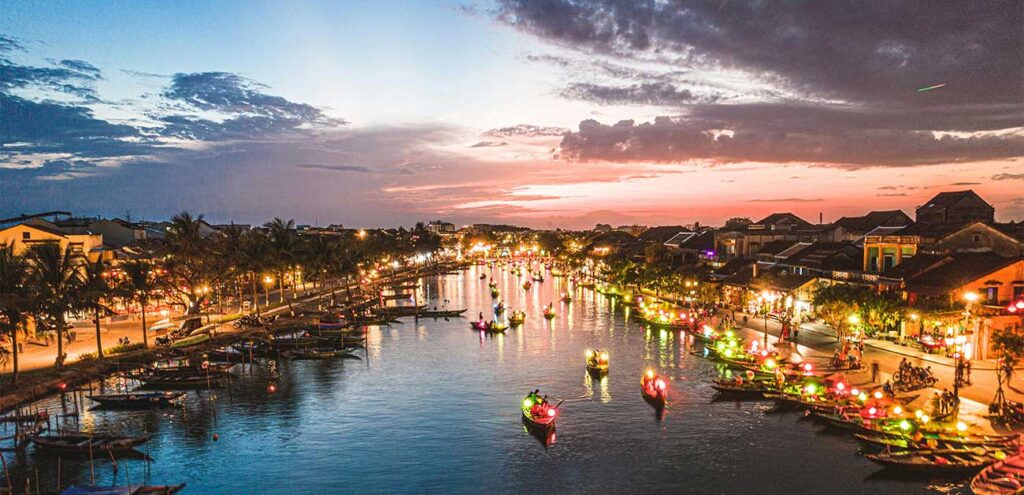
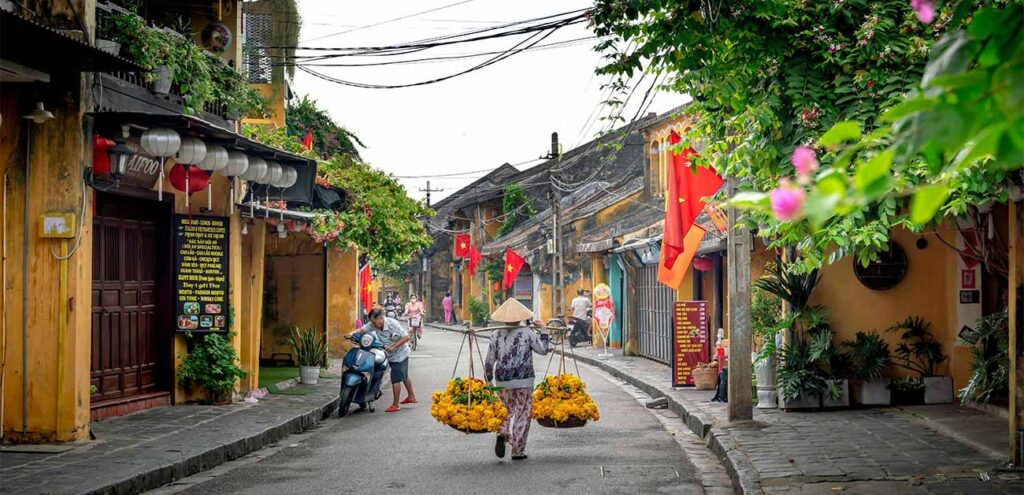
Hoi An is a 15th-century trading port that somehow survived wars, colonization, and modernization. The entire town is a UNESCO World Heritage Site because the architecture, the layout, the energy—it all feels like stepping into another century.
Hoi An is also the most photogenic town in Vietnam, and it knows it. The lantern-lit Old Town at night is the postcard everyone sends home. But beyond the aesthetic, there’s real substance here.
- Get something tailor-made — Hoi An’s tailors are fast, skilled, and affordable; shirts, dresses, suits in 24–48 hours
- Rent a bicycle and ride to An Bang Beach (4 km from the Old Town) — calmer and far less developed than the popular China Beach further north
- Visit My Son Sanctuary — a 4th–14th century Hindu temple complex and UNESCO site, 40 km from Hoi An; usually done as a half-day trip
- Visit colourful Lantern Street. Enjoy free time to wander through this glowing, fairytale town.
Best time: October-April
Da Nang: Beach & Beyond
Da Nang is Vietnam’s main beach destination, but it’s also a gateway to mountains, caves, and adventure. The city itself is modern and comfortable, but the real Vietnam activities happen outside the city.
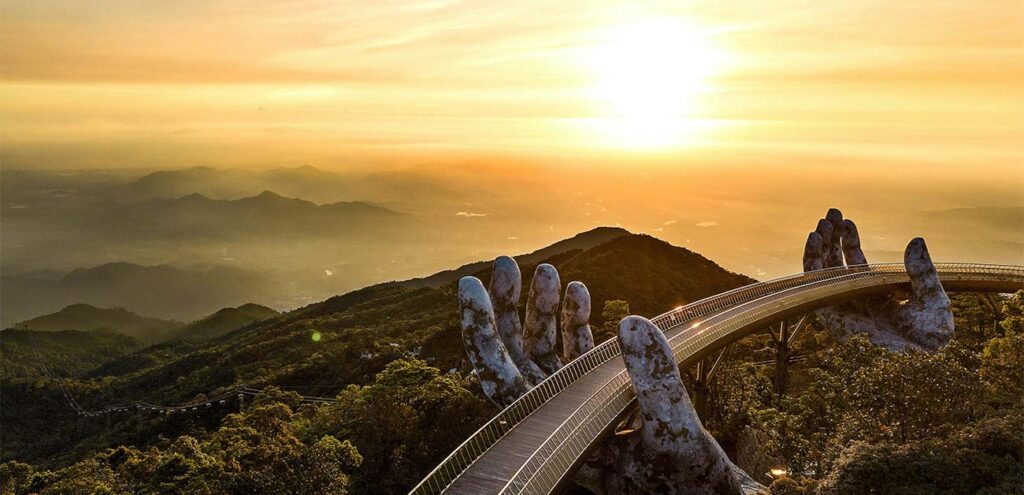
Ba Na Hills, about 30 kilometers from Da Nang, is where you’ll find the famous Golden Bridge—two giant stone hands emerging from the clouds, cradling a golden bridge. It’s touristy, yes. But it’s also genuinely spectacular. The cable car ride up the mountain is an experience in itself, with views that get better as you climb.
Beyond Ba Na Hills, Da Nang offers access to Marble Mountains (five limestone hills with caves and temples), My Khe Beach (one of Vietnam’s best beaches), and Hoi An (just 30 kilometers away). You can spend days here doing everything from beach relaxation to mountain exploration to cultural immersion.
Best time: May-September (dry season)
Ho Chi Minh City: The Heart of Vietnam
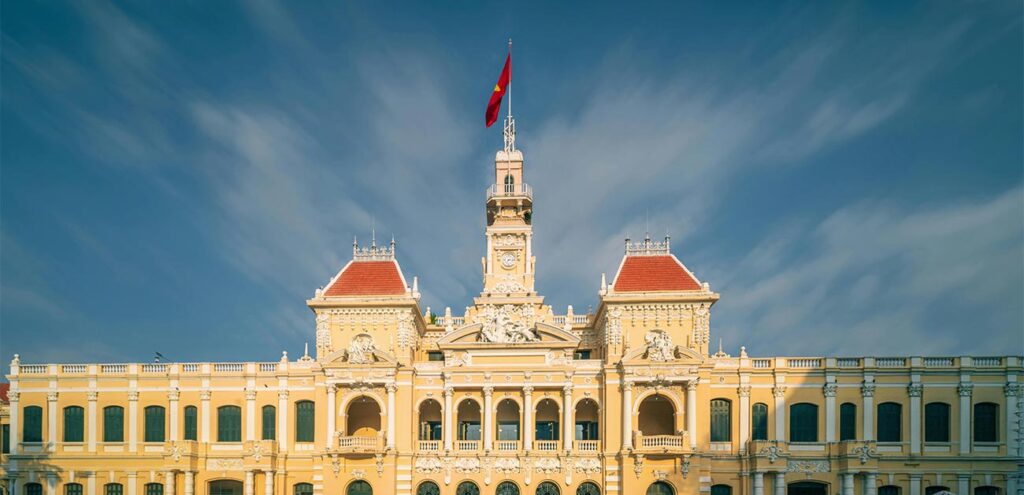
Ho Chi Minh City (still called Saigon by most locals) is all energy. It’s Vietnam’s commercial engine — loud, fast, and impossible to be bored in. Give the city its due: the War Remnants Museum is confronting but essential. The Ben Thanh Market is touristy but still worth an hour. The rooftop bars in District 1 are good value by any standard.
But the unmissable experience near Ho Chi Minh City is the Cu Chi Tunnels — an underground network used by Viet Cong forces during the war, stretching over 250 km. You can crawl through sections of the original tunnels (widened slightly for larger international visitors). It’s uncomfortable in the best way. History stops being abstract when you’re 60 cm underground in total darkness.
Phu Quoc Island: Tropical Paradise
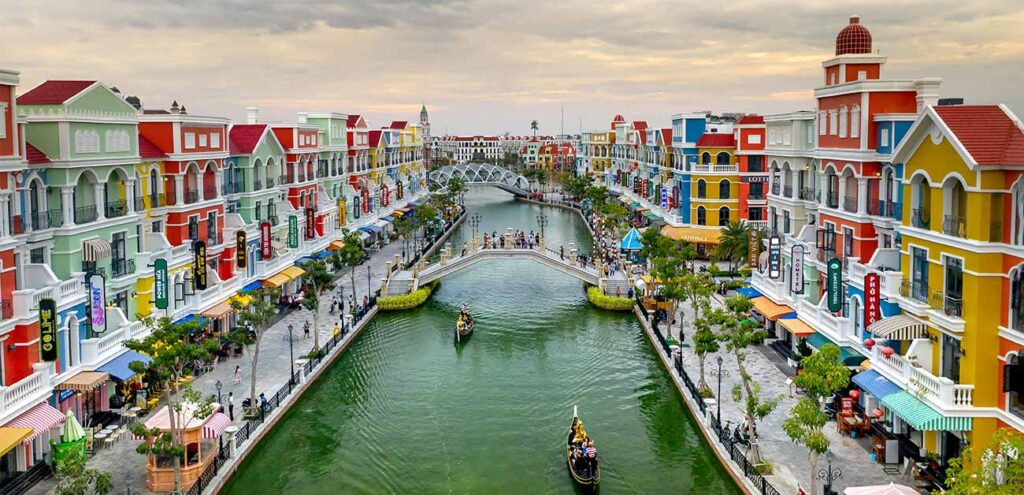
Phu Quoc has transformed fast — from quiet fishing island to internationally recognized beach destination — but it still has enough raw edges to reward travelers who explore beyond the resort strip.
The essentials:
- Sao Beach: consistently rated among Vietnam’s best beaches; fine white sand, calm clear water, minimal development on the southern end
- An Thoi Archipelago: 15 islets off the southern tip; snorkeling and diving here has improved since marine conservation efforts boosted coral coverage significantly since 2020
- World’s longest cable car: the 7.9 km Phu Quoc cable car crossing to Hon Thom island is objectively impressive engineering. You can also enjoy 4 island tour which is a famous spot for water sports activities like snorkelling and many more.
- Dinh Cau Night Market: fresh seafood grilled on the spot, Phu Quoc pepper crab, herring salad (gỏi cá trích), coconut ice cream; go hungry
- Suoi Tranh Waterfall: a short hike into the national park (which covers more than half the island) to reach a series of natural pools; best visited early morning
Tip: Do not miss Aquatopia Waterpark, VinPearl and VinWonder. These places are touristy but offers a great experience in Phu Quoc
Practical Tips: Visas, Getting Around, and Best Time to Visit
Visa: Most nationalities can get a Vietnam e-visa online (90-day, single entry) for around $25 or ₹2500-3000. Process takes 3 business days. Don’t leave this to the last minute.
Getting around: The north-to-south open bus ticket (Sinh Tourist, Phuong Trang) is a classic backpacker option. Overnight trains between Hanoi, Hue, Da Nang, and Ho Chi Minh City are comfortable and scenic. Budget domestic flights (VietJet, Bamboo) are cheap if booked 3–4 weeks out.
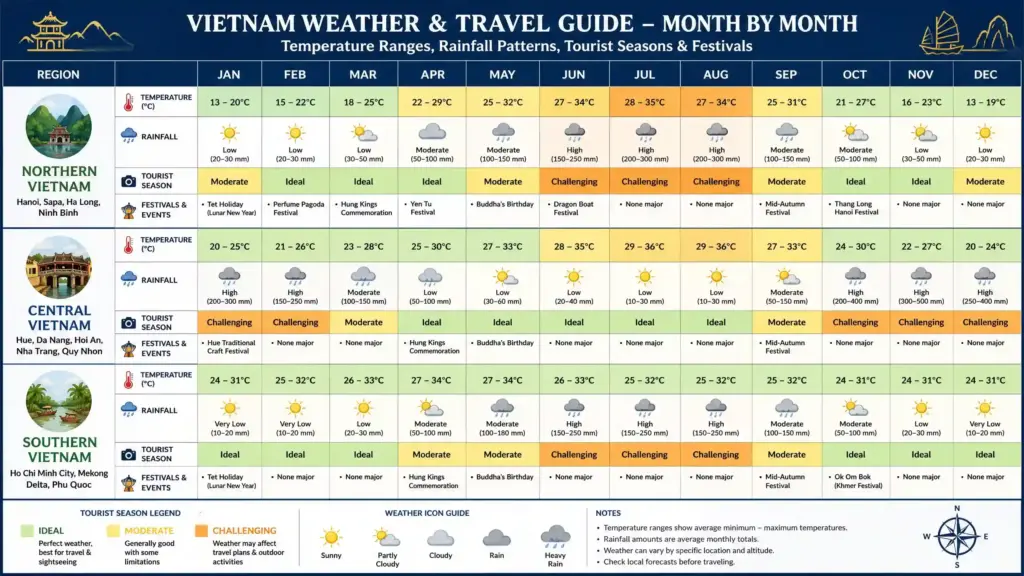
Best time: November to April covers most of the country in dry, clear weather. Note that Vietnam is long and narrow — the north and south have different rain seasons, so check region-by-region before planning.
Frequently Asked Questions About Things to Do in Vietnam
Q: How many days do I need to experience Vietnam properly?
Answer: one to two weeks is ideal. This gives you time to experience northern highlights (Hanoi, Halong Bay, Sapa), central heritage sites (Hoi An, Hue), and southern destinations (Ho Chi Minh City, Phu Quoc).
Q: What’s the best time to visit Vietnam?
Answer: October through April offers the most comfortable weather across all regions. Northern Vietnam can get cold in December-January. Southern Vietnam is warm year-round but can be rainy May-September. The Travel Story’s Vietnam packages run year-round, with most departures in October-November and March-April.
Q: Is Vietnam safe for solo travellers?
Answer: Yes, Vietnam is generally safe for solo travelers. Violent crime against tourists is rare. Common issues are minor theft and scams, which can be avoided with basic precautions. The Travel Story’s group trips are perfect for solo travelers who want to explore with others.
Q: What should I pack for Vietnam?
Answer: Light, breathable clothing (it’s hot and humid), comfortable walking shoes, a light rain jacket (for the monsoon season), sunscreen, insect repellent, and a universal power adapter. Pack light—you’ll want to buy things while you’re there.
Q: Should I take a tour or travel independently?
Answer: Both work. Independent travel gives you flexibility. Group tours (like The Travel Story’s Vietnam packages) give you structure, local expertise, and the chance to meet other travelers. The Travel Story’s approach combines structure with flexibility—you have a planned itinerary but also free time to explore on your own.
The Bottom Line: Why Vietnam Matters
Vietnam rewards the traveler who moves slowly, eats from street stalls, and takes detours. The country is longer than most people expect, more varied than one trip can cover, and considerably more interesting than the beach-and-cruise highlights reel suggests.
If you’re in the planning stage and want a structured itinerary that goes beyond the standard circuit, the Vietnam travel experiences on The Travel Story are built by people who’ve actually done the routes — not packaged from behind a desk.