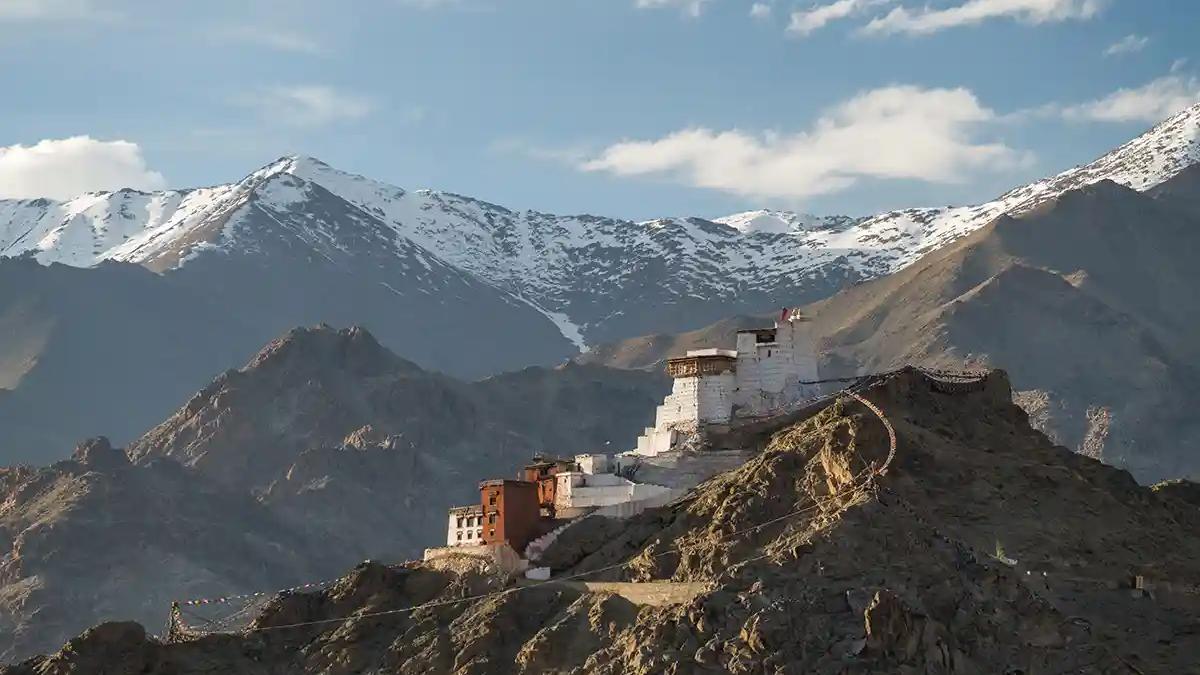
If you are packing for Ladakh, you need to prepare for cold nights, strong sunlight, high-altitude roads and limited facilities outside Leh. This Ladakh packing guide covers what to wear, what to carry for your health and safety, which documents to keep handy, and what to leave at home.
The key is to pack light without compromising on warmth. A well-planned Ladakh packing list should account for your travel month, overnight stops and time spent at high mountain passes.
Planning to join a group trip instead? The Leh Ladakh with Khardung La trip covers 5 nights and 6 days, from Leh to Leh, with a trip captain, an oxygen cylinder in the vehicle and inner line permits included. Group sizes are 12 to 16 travellers, with prices starting from ₹18,999 per person on triple sharing, plus 5% GST, as checked in October 2026. Check the trip page for current prices, inclusions and departure dates.
Five Ladakh Packing Tips to Remember Before You Leave
- Pack for cold nights, not just sunny afternoons. Nubra Valley and Pangong Tso can feel cold even during July and August.
- Use layers instead of one heavy jacket. Thermals, fleece, a padded jacket and a windproof shell let you adjust to changing temperatures.
- Carry a compatible mobile connection. Postpaid connections from outside Ladakh generally work where network coverage is available; outside prepaid connections do not. Download offline maps before travelling.
- Keep cash and essential medicines with you. ATMs and pharmacies are more limited outside Leh.
- Keep warm clothing in your day bag. Your main luggage may remain in the vehicle while you stop at a cold mountain pass.
What Is the Weather Like in Ladakh, and How Should You Pack?
Ladakh experiences noticeable temperature differences between daytime and nighttime. Leh can feel comfortable in summer, but higher places such as Pangong Tso and mountain passes can be much colder. Check the local forecast before departure and pack for the coldest part of your itinerary.
Ladakh lies in a rain-shadow region, so it generally receives less monsoon rainfall than many other parts of India. However, relatively dry weather does not mean warm nights, particularly at high-altitude camps.
| Month | Typical weather in Leh | Conditions at higher locations | What to pack |
|---|---|---|---|
| June | Daytime around 21°C; nights around 7°C | Colder temperatures; passes may be freezing | Thermals, fleece and padded jacket |
| July and August | Daytime around 25°C; nights around 10°C | Pangong nights can be around 5°C to 10°C in August | Warm layers, sun hat and sunglasses |
| September | Days in the low 20s; nights near 5°C | Temperatures can fall below 0°C late in the month | Warmer gloves, thick socks and a padded jacket |
| October and November | Days around 5°C to 14°C; nights around 0°C or colder | Snow is possible at mountain passes | Heavy down jacket, thermals, woollen cap and thermal gloves |
Important: These are typical planning figures, not a forecast. Actual temperatures vary with the weather, elevation and travel dates. Check the forecast shortly before leaving and confirm road conditions if your itinerary crosses high passes
What Clothes Should You Pack for Ladakh?

The most practical approach is the three-layer clothing system for Ladakh: a base layer for moisture management, a middle layer for insulation and an outer layer for wind protection. You can wear all three in cold conditions and remove a layer when the weather becomes warmer.
1. Base Layer: Thermals and Quick-Dry T-Shirts
- Two sets of thermal tops and bottoms.
- Three to four quick-dry T-shirts.
- At least three to four pairs of warm socks.
Choose synthetic or wool-based thermal fabrics that dry relatively quickly. Cotton can retain moisture and feel cold when damp. Keep one thermal set dry for sleeping or for colder overnight stops.
2. Mid Layer: Fleece or Wool Sweater
A fleece jacket or light wool sweater provides insulation without adding too much bulk. One fleece is generally a practical choice for many summer itineraries, while a second warm layer may be useful for October and November trips. Adjust your clothing according to the forecast and your planned overnight stays.
3. Outer Layer: Padded Jacket and Windproof Shell
Carry a padded or down jacket for cold evenings, high passes and overnight camps. Add a windproof outer shell to reduce the effect of strong winds. A warm jacket alone may not be enough when you stop at an exposed mountain pass.
4. What to Pack for Your Legs, Hands, Head and Feet
- Two or three pairs of track pants or trekking pants.
- Gloves suitable for your travel season.
- A woollen cap or beanie.
- A neck gaiter or scarf.
- Comfortable, broken-in shoes with good grip.
- Light slippers for hotel rooms and camps.
Jeans are optional, but they can take longer to dry and may feel uncomfortable in cold conditions. Avoid brand-new shoes for a trip involving long drives, sightseeing stops and walking on uneven ground.
How Do You Protect Your Skin and Eyes at High Altitude?
Sun protection is an important part of your Ladakh trip packing list. Bright sunlight and glare from snow or pale terrain can make outdoor stops uncomfortable, even when the air feels cold.
- Sunscreen: Choose a broad-spectrum sunscreen with SPF 30 or higher and reapply according to its instructions.
- Sunglasses: Bring good-quality UV-protective sunglasses to reduce glare.
- Lip balm: Useful in dry, windy conditions.
- Moisturiser: Carry a small bottle to help manage dry skin.
- Cap or sun hat: Protects your head and face during daytime sightseeing.

What Health and Safety Items Should You Carry for Ladakh?
Carry your own prescription medicines, a basic first-aid kit and oral rehydration salts. Pharmacies may be limited once you leave Leh, so purchase essential supplies before heading to remote destinations such as Nubra Valley and Pangong Tso.
- Your regular prescription medicines in sufficient quantities.
- A basic first-aid kit with items suitable for your needs.
- Oral rehydration salts.
- A reusable water bottle.
- Any personal medical supplies recommended by your doctor.
Do you need Diamox or an oxygen cylinder for Ladakh? Do not self-prescribe altitude medication. Consult a qualified doctor before your trip about altitude-related risks and whether any medicine is appropriate for you. An oxygen cylinder in a tour vehicle does not replace acclimatisation or professional medical care.
Why Is Acclimatisation Important in Ladakh?
Leh is approximately 3,500 metres above sea level. Give your body time to adjust before travelling to higher locations. Ladakh Tourism advises visitors to rest for at least 48 hours after arriving in Leh, avoid strenuous activity and skip alcohol during this initial period.
Do not assume that feeling well on your first evening means you have fully acclimatised. Follow medical advice and seek prompt assistance if you develop symptoms that could indicate altitude illness. Severe breathlessness at rest, confusion or difficulty walking normally requires urgent medical attention.
For a trip-specific example, the Leh Ladakh with Khardung La itinerary keeps the first day free of sightseeing to allow time for rest.
What Documents, SIM, Cash and Gadgets Should You Carry?
Documents and Permits
- Original government-issued photo ID.
- A few photocopies of your ID.
- A digital copy of important documents on your phone.
- Booking confirmations and emergency contact details.
- Inner Line Permit or travel documents required for your specific itinerary.
Permit requirements can vary by destination and may change. Check the latest rules with Ladakh Tourism or the Leh district administration before travelling independently. If you book an organised trip, confirm which permits are included and which documents you must provide yourself.
SIM Card and Mobile Network
For travellers arriving with an Indian mobile connection from outside Ladakh, postpaid connections generally work where network coverage is available, while outside prepaid connections do not. Travellers with prepaid SIM cards can enquire about obtaining a local connection in Leh using the required identification documents.
Network coverage can be patchy on remote roads, so do not depend on mobile data for every part of your journey. Download offline maps, save hotel details and keep important contact information accessible without an internet connection.
This is an important distinction for travellers comparing destinations: mobile connectivity rules in Ladakh differ from those in Spiti Valley, Himachal Pradesh.
For route planning, read our guide on how to reach Ladakh from Delhi.
How Much Cash Should You Carry for Ladakh?
There is no single cash amount that works for every Ladakh trip. Start with your itinerary and calculate the expenses not covered by your hotel, tour or transport package. Carry a reasonable buffer because ATMs are available in Leh but are sparse in many places outside town.
Possible additional expenses include:
- Camel rides or ATV rides at the Nubra Valley sand dunes.
- Mineral water and personal snacks.
- Tips and personal purchases.
- Meals or transport not included in your package.
- Unexpected expenses caused by delays or itinerary changes.
Keep some smaller notes for local purchases. Do not assume that every remote shop or camp will accept UPI, cards or other digital payment methods. Confirm payment options with your accommodation or trip operator before departure.
Gadgets and Useful Accessories
- Phone charger and power bank.
- Camera and spare batteries, if needed.
- Offline maps downloaded to your phone.
- A protective phone case.
Cold conditions can reduce battery performance. Keep your phone and camera batteries warm in an inner pocket when possible, and check charging arrangements with your accommodation, especially if you are staying at a remote camp.

What Should You Keep Within Reach at Each Ladakh Stop?
Your packing priorities change as you travel between Leh, mountain passes, Nubra Valley and Pangong Tso. Keep a small day bag ready with the items you may need during roadside stops, rather than storing all your warm clothing in the main luggage.
| Stop | Approximate altitude | What to prepare for | Keep within reach |
|---|---|---|---|
| Leh | About 3,500 m | Acclimatisation, sightseeing and cool evenings | Water bottle, snacks and a light warm layer |
| Khardung La | About 5,359 m | A short, cold and windy mountain-pass stop | Gloves, beanie and padded jacket |
| Nubra Valley, including Hunder and Diskit | Around 3,000 m in parts of the valley | Sun exposure, glare and optional paid activities | Sunglasses, sunscreen and cash |
| Pangong Tso | About 4,350 m | Cold overnight conditions at lakeside camps | Thermals, warm socks and a padded jacket |
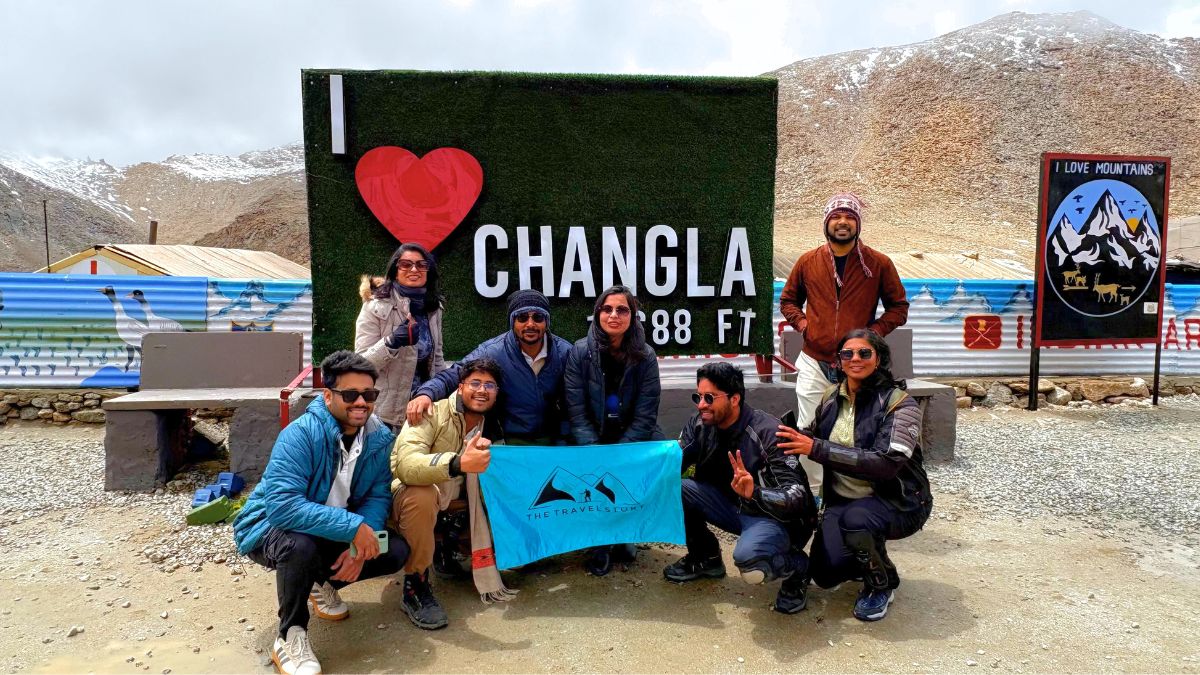
| Chang La | About 5,360 m | Cold conditions during the journey back towards Leh | Jacket, gloves and beanie |
Altitude figures are approximate and may differ between sources and measurement methods. Conditions at mountain passes can change quickly, so follow local road and weather advice.

How Should You Pack for Different Types of Ladakh Trips?
If You Are Flying into Leh
Choose a manageable duffel bag or soft-sided suitcase that fits your transport arrangements. Keep a separate day bag for your jacket, gloves, beanie, sunglasses, sunscreen, water and snacks. Confirm the luggage allowance with your airline and tour operator before travelling.
If You Are Travelling by Road via Manali and Sarchu
A road trip from Manali to Leh may include overnight stops at high-altitude locations such as Sarchu, which sits at approximately 14,000 feet. Pack your warmest sleepwear and additional insulating layers if your itinerary includes such camps.
Accommodation facilities and heating arrangements vary. Check whether room heaters are available and whether they incur an additional charge. The Ladakh Expedition from Manali page provides trip-specific information about the route and inclusions.
If You Are Going on a Ladakh Bike Trip
Riders should prioritise warmth, wind protection and safety gear over carrying extra casual clothes. Check with your operator to confirm exactly which protective equipment is included.
- Suitable riding gloves.
- A windproof riding jacket and warm layers.
- Appropriate riding trousers and protective gear.
- Comfortable footwear suitable for riding and walking.
- Personal documents and any required riding licence.
Do not assume that all riding gear is supplied by the operator. Confirm equipment availability and fit before departure. For a destination comparison, read our guide to Spiti vs Ladakh biking.

What Should You Leave at Home for a Ladakh Trip?
- Large, heavy hard-shell suitcases: They can be difficult to load into vehicles and move around camps.
- Cotton hoodies as your only warm layer: They do not replace proper insulation and wind protection.
- Brand-new shoes: Wear in your footwear before the trip to reduce the risk of blisters.
- Too many outfit changes: A small collection of versatile layers is more practical than a bulky wardrobe.
- Unnecessary heavy items: Pack what you can manage comfortably when moving between vehicles, hotels and camps.
The goal is not to carry the fewest items possible. It is to carry the right items and make sure that your essential warm clothing, medicines and documents remain accessible.
Ladakh Packing Checklist: Save This Before Your Trip
Use this checklist while packing for Ladakh. Adjust quantities according to your trip duration, travel month and accommodation arrangements.
Clothes
- 2 sets of thermals
- 1 to 2 fleeces or wool sweaters
- 1 padded or down jacket
- 1 windproof shell
- 2 to 3 pairs of track pants or trekking pants
- 3 to 4 quick-dry T-shirts
- 3 or more pairs of warm socks
Head, Hands and Feet
- Woollen cap or beanie
- Gloves
- Neck gaiter or scarf
- Broken-in shoes with good grip
- Light slippers
Sun and Skin Protection
- Sunscreen
- UV-protective sunglasses
- Lip balm
- Small moisturiser
- Cap or sun hat
Health and Safety
- Personal prescription medicines
- Basic first-aid kit
- Oral rehydration salts
- Reusable water bottle
- Doctor's advice about altitude-related precautions
Documents, Phone and Money
- Original government photo ID and photocopies
- Working mobile connection appropriate for Ladakh
- Offline maps downloaded
- Cash in smaller notes
- Power bank and charger
- Booking confirmations and emergency contacts
Day Bag
- Gloves and beanie
- Sunscreen and sunglasses
- Water and a snack
- Padded jacket or an appropriate warm layer
- Photo ID and essential medicines you may need during the day

Plan Your Ladakh Trip with The Travel Story
Good preparation makes a Ladakh trip easier to manage, particularly when your itinerary includes cold overnight camps, remote roads and high mountain passes. Pack in layers, allow enough time to acclimatise in Leh, carry essential medicines and documents, and confirm current road conditions before travelling.
If you prefer travelling with a planned itinerary, explore the Leh Ladakh with Khardung La group trip. You can also browse our Ladakh group trips to compare available itineraries and choose one that suits your travel dates and preferences.