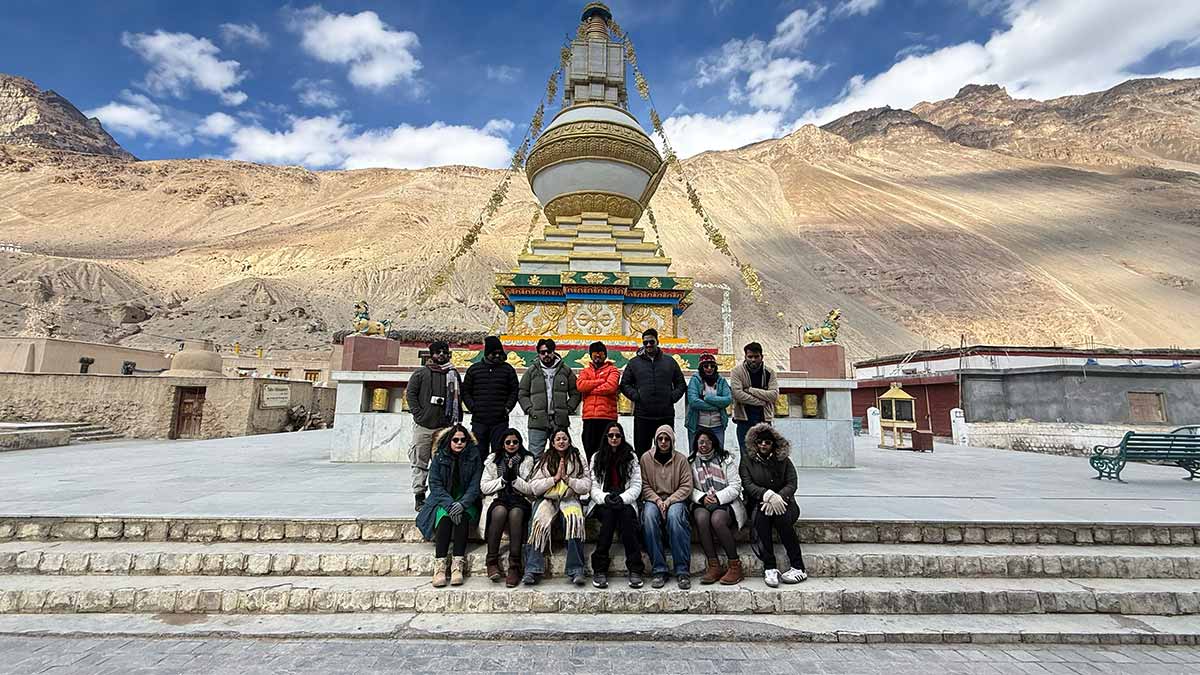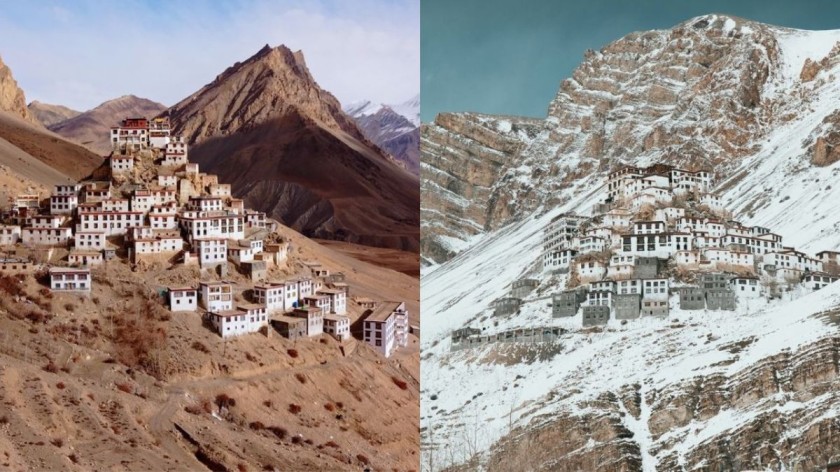
It is easy to think winter Spiti is just a summer trip with snow on top. It is not. Our two 6 Night 7 Days itineraries share the road from Delhi through Shimla and Kinnaur, then split into different routes, different nights and different highlights. This guide puts them side by side, with the roads, the cold and the trade-offs, so you can choose with your eyes open.
The Spiti Valley with Chandratal trip runs from late May to September, and the Winter Spiti Expedition runs from October to May. Both are fixed departures with 12 to 16 travellers and a trip captain, from Rs 17,999 per person. Check dates on the trip page, or keep reading to compare first.
We run both trips every season, and our trip leaders have led Spiti batches for around five years. Where a fact comes from a public source, we say so and note when we checked it.
Key takeaways
- Summer (late May to September) is a one-way loop: Shimla in, Manali out, with Kunzum Pass and Chandratal.
- Winter (October to May) goes out and back on the Shimla and Kinnaur road, with three nights in Kaza and a day at Kibber.
- Spiti stays open all year from the Shimla side. The Manali side usually closes from around mid October.
- Regular dates cost the same on both trips: from Rs 17,999 triple
- Both are 6 nights and 7 days, not counting the overnight Volvo rides, for travellers aged 18 to 35.
Summer vs Winter Spiti Valley Itinerary at a Glance
This table compares our two 6 Night 7 Days fixed departures as they stand in October 2026.
| Summer trip | Winter trip | |
|---|---|---|
| Season | Late May to September | October to May |
| Length | 6 nights, 7 days, plus overnight Volvo rides | 6 nights, 7 days, plus overnight Volvo rides |
| Route shape | One-way loop. In via Shimla and Kinnaur, out via Manali | Out and back on the Shimla and Kinnaur road |
| Nights | Sarahan 1, Kalpa 1, Tabo 1, Kaza 2, Chandratal camp 1 | Rakchham 1, Tabo 1, Kaza 3, Kalpa 1 |
| Only on this trip | Sarahan, Kunzum Pass, Chandratal, Manali | Gue Monastery and mummy, Rekong Peo market |
| On both trips | Chitkul, Khab Sangam, Nako, Tabo, Dhankar, Kaza, Key, Hikkim, Komic, Langza, Chicham Bridge | Same stops, in a different order |
| Biggest draw | Chandratal and Kunzum Pass | Snow, frozen waterfall |
| Stays | Hotels, homestays and Swiss tents with attached washroom | Hotels and homestays |
| Vehicle | Volvo to Shimla, tempo traveller Shimla to Kaza to Manali, Volvo to Delhi | Volvo to Shimla, tempo traveller Shimla to Kaza and back, Volvo to Delhi |
| Meals | 6 breakfasts, 6 dinners | 6 breakfasts, 6 dinners |
| Safety kit | Oxygen cans and medical kit in the tempo | Oxygen cylinder in the vehicle |
| Price, regular dates | From Rs 17,999 triple, Rs 19,999 double | Same |

Summer Spiti Valley Itinerary (Late May to September)
The summer trip is the loop. You enter Spiti from the Shimla and Kinnaur side, cross Kunzum Pass, stay near Chandratal and leave through Manali. You never drive the same road twice. You can see dates and book on the Spiti Valley with Chandratal
| Day | Route | Night |
|---|---|---|
| 0 | Delhi to Shimla by overnight Volvo | Volvo |
| 1 | Shimla, Theog, Narkanda, Rampur, Sarahan | Hotel in Sarahan |
| 2 | Sarahan to Chitkul and the Baspa river, Sangla if time allows, then Kalpa | Hotel in Kalpa |
| 3 | Kalpa, Khab Sangam, Nako Lake, Gue village, Sumdo, Tabo | Homestay in Tabo |
| 4 | Tabo Monastery and caves, Dhankar Monastery, Kaza | Homestay in Kaza |
| 5 | Kaza, Key Monastery, Hikkim, Komic, Langza, back to Kaza | Homestay in Kaza |
| 6 | Kaza, Chicham Bridge, Kunzum Pass, Chandratal | Swiss tents at Chandratal |
| 7 | Chandratal to Manali, then overnight Volvo to Delhi | Volvo |
There are regular Volvo semi-sleeper buses that runs from Kashmere Gate to Shimla in the evening. While coming back from Shimla or Manali, the general time of reaching Delhi is around 8-10 AM.

What to expect on the summer route
- Days 1 and 2 are driving days through the lower hills and Kinnaur. Chitkul, often called the last inhabited village before the Indo-China border, is the main stop.
- Day 3 is where Kinnaur becomes Spiti. You cross at the Sumdo check post and reach Tabo by evening.
- Day 6 is the big day. Kunzum Pass is about 4,550 m and Chandratal is about 4,300 m. By then you have spent five days climbing slowly from Shimla.
- Chandratal is a camp stay, not a lakeside stay. Camping on the lake bank is banned. Our Swiss tents, with attached washrooms, beds, warm blankets and solar water, sit about 2 to 3 km from the lake.
- Day 7 is for departure only. Wake up early and leave for Manali via Batal, Koksar and the Atal Tunnel.
Winter Spiti Valley Itinerary (October to May)
Planning a winter trip to Spiti Valley means taking the route via Shimla and Kinnaur, as the pass from Manali closes completely due to heavy snow. On the bright side, this gives you plenty of extra time to remain in Kaza Village and if you are not rushing your itinerary, you can even head out to the Kibber Wildlife Sanctuary for a chance to spot the snow leopard. You can see dates and book on the Winter Spiti Expedition. Christmas and New Year batches are priced differently, so see the Spiti New Year special for those.
| Day | Route | Night |
|---|---|---|
| 0 | Delhi to Shimla by overnight Volvo | Volvo |
| 1 | Shimla, along the Sutlej, then the Baspa river towards Chitkul | Hotel in Rakchham |
| 2 | Chitkul village, Khab Sangam, lunch at Nako, Sumdo, Tabo | Homestay in Tabo |
| 3 | Tabo Monastery and caves, Dhankar Monastery, frozen Lingti Waterfall, Kaza | Homestay in Kaza |
| 4 | Kaza, Hikkim, Komic, Langza, back to Kaza | Homestay in Kaza |
| 5 | Kaza, Key Monastery, Chicham Bridge, Kibber, back to Kaza | Homestay in Kaza |
| 6 | Kaza to Kalpa via Gue Monastery, Rekong Peo market | Hotel in Kalpa |
| 7 | Kalpa, then Shimla, then overnight Volvo to Delhi | Volvo |
What to expect on the winter route
- Day 1 is a long one. You reach Rakchham around 7 to 8 PM.
- Day 2 is the Chitkul morning. You explore the village, stop at the last dhaba of India for maggi, and then head for Tabo. Tabo Monastery was founded in 996 CE, and it is often called the Ajanta of the Himalayas.
- Day 3 includes the frozen Lingti Waterfall, which you will not see in summer in the same form.
- Days 4 and 5 are two separate Kaza day trips. The first covers Hikkim, Komic and Langza. The second covers Key, Chicham Bridge and Kibber. Chicham is often described as Asia’s highest bridge, at about 4,145 m according to travel sources.
- Kibber is snow leopard country. Our ground team reports multiple snow leopard sightings confirmed in Kibber Wildlife Sanctuary. A sighting is never guaranteed.
- Day 6 is the Gue day. Gue Monastery holds the mummy of a monk believed to be Sangha Tenzin, more than 500 years old. You can also take a holt at Nako village to experience a frozen lake and then continue towards Rekong Peo market.
- Day 7 gives you a Kalpa morning, with a view of Kinner Kailash, before you leave for Shimla.

How the Two Spiti Itineraries Really Differ
The real differences are the route shape, the places you sleep and what each season can and cannot give you. Weather is only part of it.
One loop, or out and back
Summer never repeats a road. Winter returns on the same road through Nako and Kinnaur but the itinerary will be more laidback.
Where you sleep
Summer spreads six nights across five places, ending with one night in Swiss tents near Chandratal. Winter gives you three nights in one Kaza homestay base, so each Kaza day trip is its own relaxed day. In summer, Hikkim, Komic, Langza and Key share a single day.
What each season cannot give you
Summer cannot give you snow or snow leopard sighting. Winter cannot give you Chandratal or Kunzum Pass. Our ground team says the Manali route closes around mid October because of bad weather or heavy snowfall, mostly on the Koksar to Losar stretch. Public guides say the road usually shuts between mid October and November and reopens in late May or June.
How altitude builds up
Both trips enter Spiti from the Shimla side, so you gain height slowly through Kinnaur. Our trip leaders say entering from the Manali side carries more risk if you are not acclimatised. On our summer trip, you have spent five days climbing before you reach Chandratal, and Kaza and Chandratal do not differ drastically in height.
The warm clothes mistake
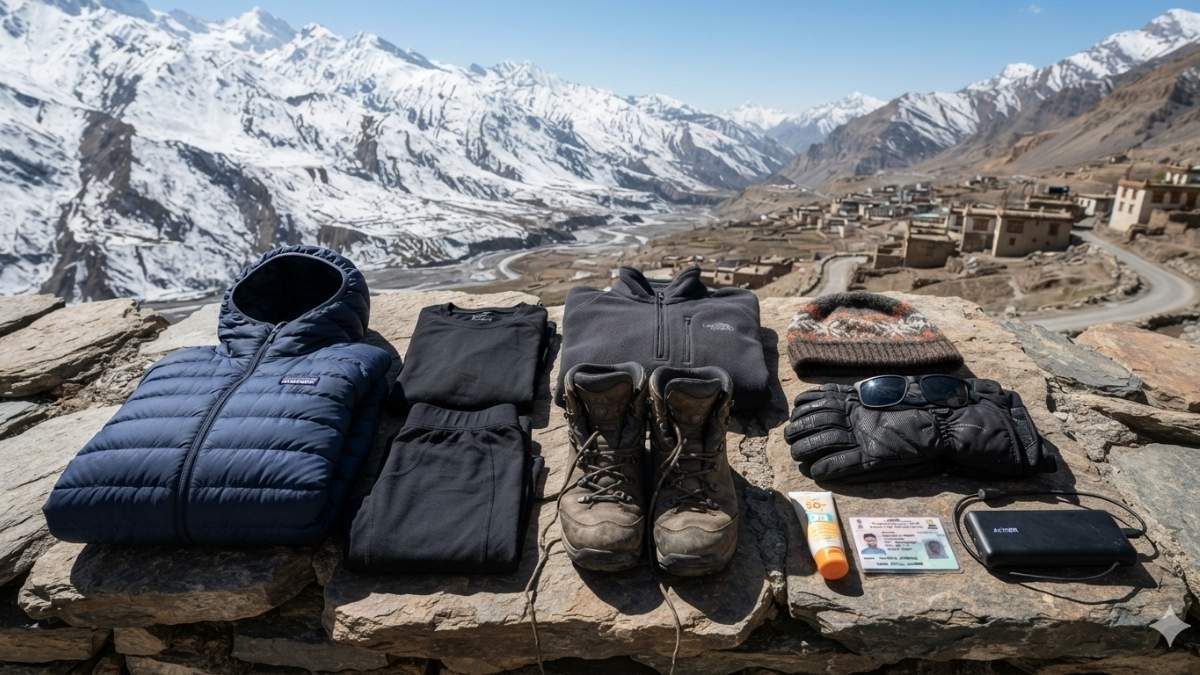
Spiti is a cold desert, so nights are cold in every season. Our trip leaders say travellers fall ill more often on summer batches, often because they packed for a warm holiday. Spiti is an adventurous road trip, not a leisure trip.
Spiti Valley Month by Month
Use this table to match your dates with what to expect. The notes come from our ground team unless a public source is named.
| Month | What to expect | Roads |
|---|---|---|
| Late May and June | Cold nights and bright days. Snow in June is very unlikely. | Kunzum Pass reopened in the second half of May in 2026 |
| July and August | Spiti gets very little rain, but the weather is unpredictable. | Heavy rain on the Shimla and Kinnaur approaches can cause landslides and delays. |
| September | Light snowfall is possible on Gramphu Road. Nights can range from 10°C to minus 10°C, depending on the location. Crowds are lower than in June. | The full summer circuit is generally open, including Shimla to Kaza and Kaza to Manali via Gramphu Road, which usually remains accessible during this period, weather permitting. |
| October | Winter begins. Snow falls on higher ground, mostly towards Chitkul. | The Manali side usually closes from around mid October. |
| November | Cold. Snowfall used to start now, but it has moved later in recent years. | Shimla side open. |
| December | Snow arrives in most places. | Shimla side open. |
| January and February | The heaviest snowfall. Spiti turns white and roads are covered. Nights can fall well below minus 20 degrees Celsius. | BRO keeps clearing the Shimla side road often. |
| March to May | Snow gradually melts, with cold winds and mostly clear skies. | Roads open gradually, but Gramphu Road generally remains closed. |
Which Spiti Valley Itinerary Should You Choose?
Choose by what you want to see and how you handle the cold. Neither trip is better for everyone.
Choose the summer trip if:
- Chandratal and Kunzum Pass are the reason you want to go.
- You prefer a loop that ends in Manali to one that retraces the road.
- Your dates fall between late May and September.
Choose the winter trip if:
- You want snow, a frozen waterfall and quiet villages.
- If you want to have a chance to witness snow leopard.
- You are fine with nights well below freezing, and you like a Kaza base for three nights.
Think twice if: you expect a relaxed leisure holiday, or you need a fixed arrival time in Delhi. Both trips involve long drives, cold and altitude, and snow or landslides can delay roads.
Still unsure? Compare every Spiti departure on our Spiti Valley page.
Practical Things to Know Before You Book
Altitude and health
Tell your trip captain early if you feel unwell. Our vehicle carries oxygen on both trips. If you have a heart, lung or blood pressure condition, speak to your doctor before booking.
Roads and delays
Heavy snow in winter and landslides in monsoon can hold up a road. BRO clears roads frequently, and in most cases it reopens them. You may be held up for a while, so do not book same-day onward travel after reaching Delhi.
Permits
Indian citizens do not need an inner line permit for Kinnaur or Spiti, while foreign nationals need one for the stretch from Jangi to Sumdo. Foreigners can apply for Inner Line Permit in Reckong Peo at Sub-Divisional Magistrate (SDM). Carry a government photo ID, since check posts such as Sumdo record travellers. Rules can change, so confirm with the Lahaul and Spiti district administration before you travel.
Chandratal rules and fees
Camping on the lake bank is banned, and camps sit away from the lake. Our ground team reports a 2026 entry fee of Rs 300 per person. Public guides still list Rs 150, so treat the fee as something that changes by season.
In June 2026, a shuttle between the camp and the lake parking ran only when footfall was high, at Rs 200 for each side. It stopped after 15 August 2026, and after that you can take your own vehicle to the lake parking.
What the trips include
Both trips include Volvo tickets, the tempo traveller, 6 breakfasts, 6 dinners, monastery entry tickets, a trip captain, and toll and parking. Highway lunches, drinks, personal expenses, entry to monuments
What Our Trip Captains See on the Ground
- Winter homestays are warm. Locals use a bukhari, a chimney type heater, to warm the room. Homestays are the only option in winter.
- Frozen pipes are common. Villages keep a community pipeline running all winter, and some people bring water from the river.
- Power cuts follow heavy snow, when snowfall damages the towers.
Choose the Spiti Itinerary That Suits You
If Chandratal and the Manali loop are what you want, see the Spiti Valley with Chandratal trip. If snow and a long stay in Kaza call you, see the Winter Spiti Expedition. Not sure which one? we will help you pick.