Introduction: The Call of the Untamed Zanskar Valley
Most people who visit Ladakh never make it to Zanskar because this region is remote and demanding. And honestly? That’s exactly what makes it worth going. If you’ve been circling the idea of a Himalayan trip that goes beyond the standard Leh circuit, the Zanskar Valley has no equal.
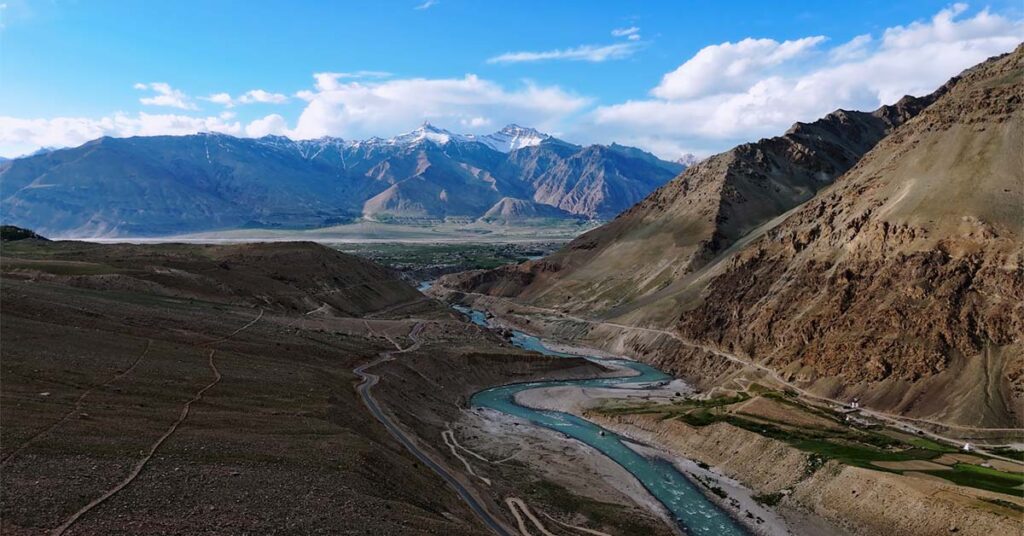
This isn’t just another trip; it’s an immersion into a culture and landscape that few ever witness. From the moment you set foot on its rugged terrain, the Zanskar Valley captivates with its dramatic gorges, crystal-clear rivers, and the towering peaks that guard its secrets. Whether you’re dreaming of trekking to hidden monasteries or simply soaking in the profound silence, a well-structured itinerary is key to maximizing your adventure. Let’s dive into a journey that promises to be as transformative as the majestic mountains themselves.
Zanskar Valley Itinerary At A Glance?
Based on a popular 9-day expedition, this itinerary is designed to offer a comprehensive experience of the Zanskar Valley, balancing travel with exploration and acclimatization. While the journey begins and ends in Delhi, the heart of the adventure lies in the high-altitude wonders of Zanskar.
| Day | Route | Key Highlight |
| Day 1 | Delhi → Manali | Overnight Volvo bus from Kashmere Gate |
| Day 2 | Manali (rest) | Acclimatization at ~2,050 m |
| Day 3 | Manali → Purne | Shinkula Pass (16,703 ft) + Gonbo Rangjon viewpoint |
| Day 4 | Purne → Padum | Phugtal Monastery hike, Tsarap River |
| Day 5 | Padum local | Karsha Monastery, Stongdey, Zangla Palace |
| Day 6 | Padum day trip | Drang Drung Glacier + Pensi La Pass |
| Day 7 | Padum → Jispa | Baralacha La, Suraj Tal, Deepak Tal |
| Day 8 | Jispa → Manali | Sissu Waterfall, Atal Tunnel |
| Day 9 | Manali → Delhi | Overnight return |
- Total Duration: 9 Days / 8 Nights Full Route: Delhi → Manali → Purne → Padum → Jispa → Manali → Delhi
- Best Time to Visit Zanskar Valley: May to early October
Day-by-Day Breakdown
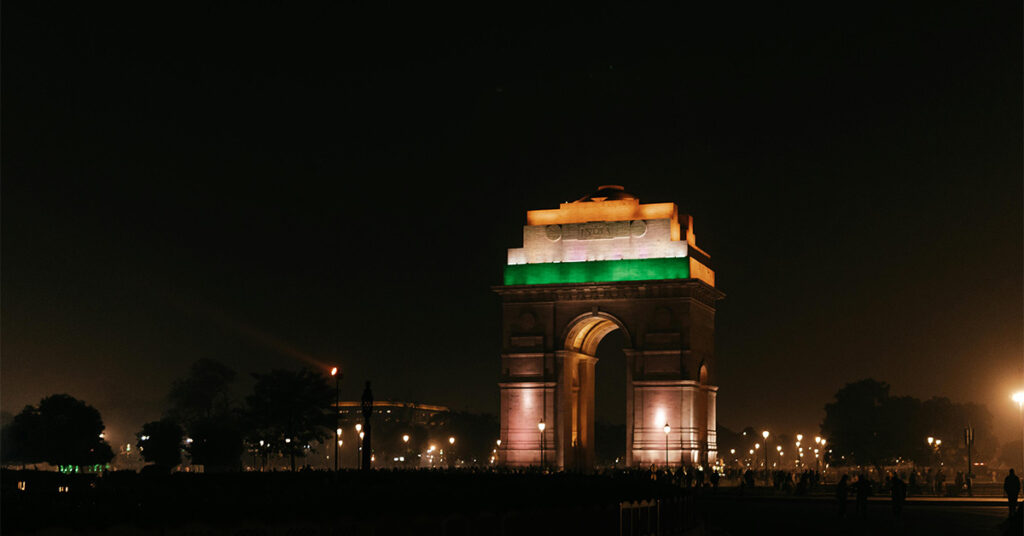
Day 1: Delhi to Manali – The Gateway to the Himalayas
Board an overnight Volvo bus from Kashmere Gate, Delhi. This is the low-key start before everything gets dramatic. Sleep through the plains; wake up in the mountains.
Day 2: Explore Manali – Acclimatization and Mountain Charm
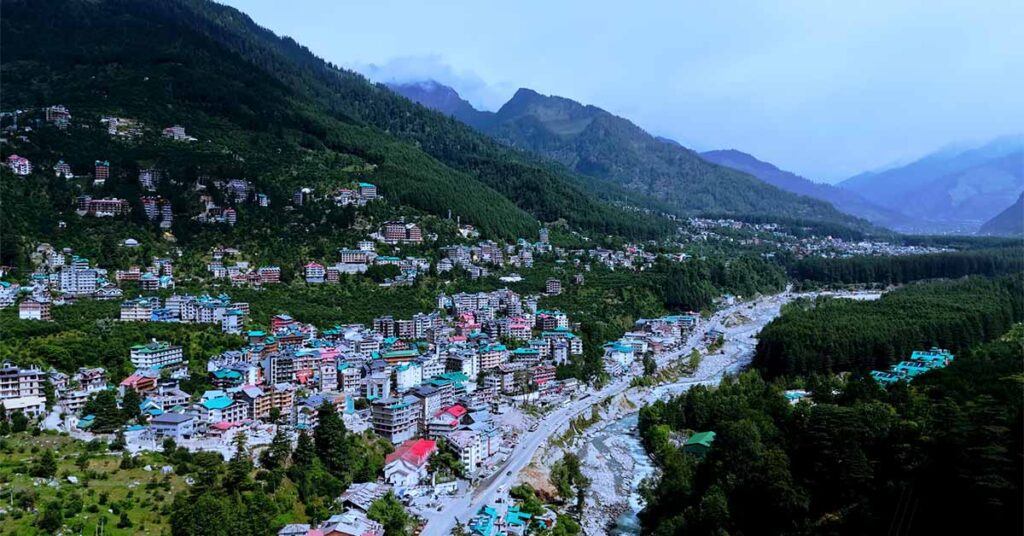
Upon arrival in Manali, check into your hotel and take a moment to unwind. This day is crucial for acclimatization, allowing your body to adjust to the increasing altitude. Spend the day exploring Manali’s vibrant markets, serene temples, or simply relaxing amidst the pine-scented air. Later, have a hearty dinner and take a good night’s rest.
Day 3: Manali to Gonbo Rangjon – Via Shinkula Pass
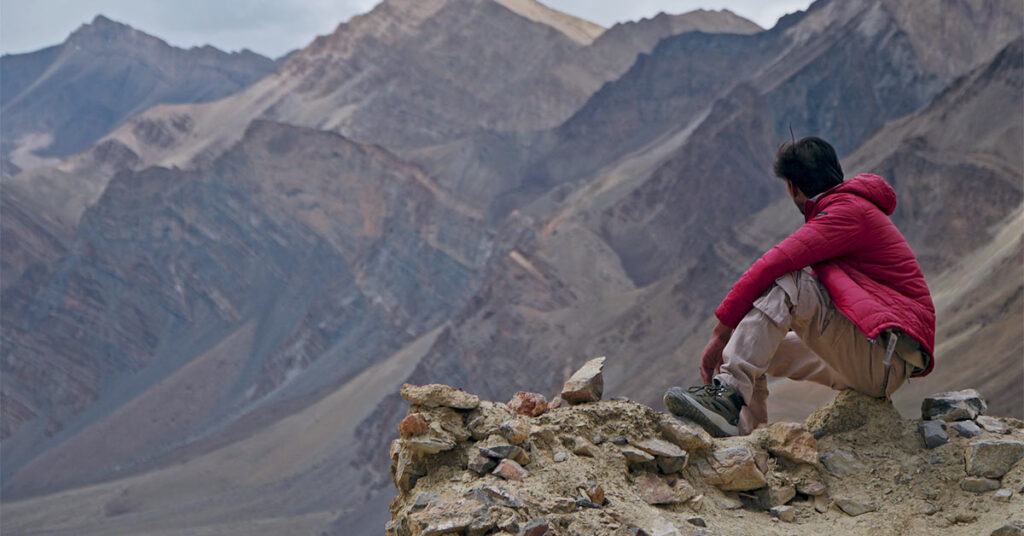
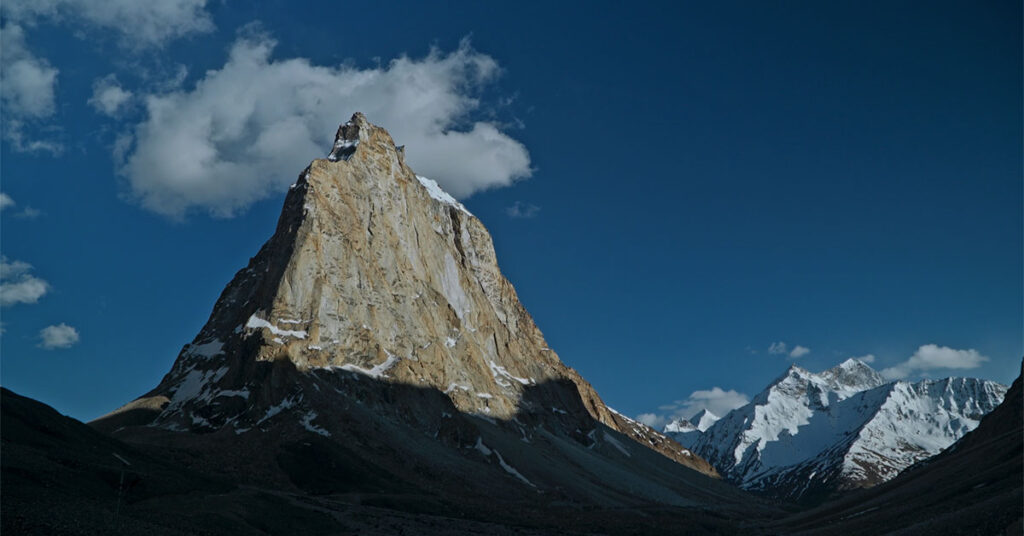
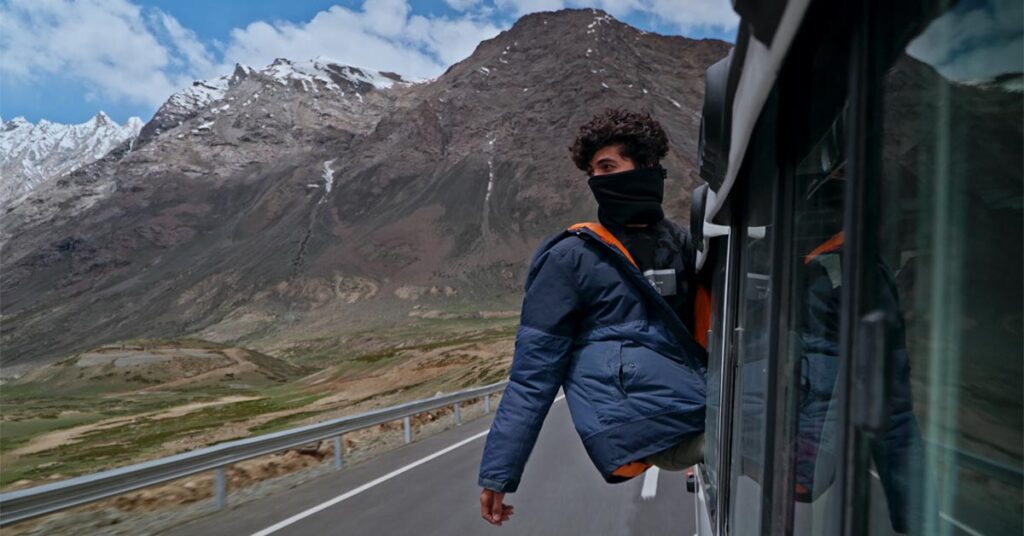
This is where the trip gets real. You drive through the Atal Tunnel into Lahaul, then climb to Shinkula Pass at 16,703 ft — your first taste of Zanskar’s stark, treeless terrain. Along the way, get your first view of Gonbo Rangjon, the sacred mountain of Zanskar. The journey continues through the quiet, forgotten hamlets of the Kargyak Valley, offering a raw and authentic taste of Himalayan life before arriving in Purne for a peaceful overnight stay.
Day 4: Purne to Padum – The Mystical Phugtal Monastery Trek
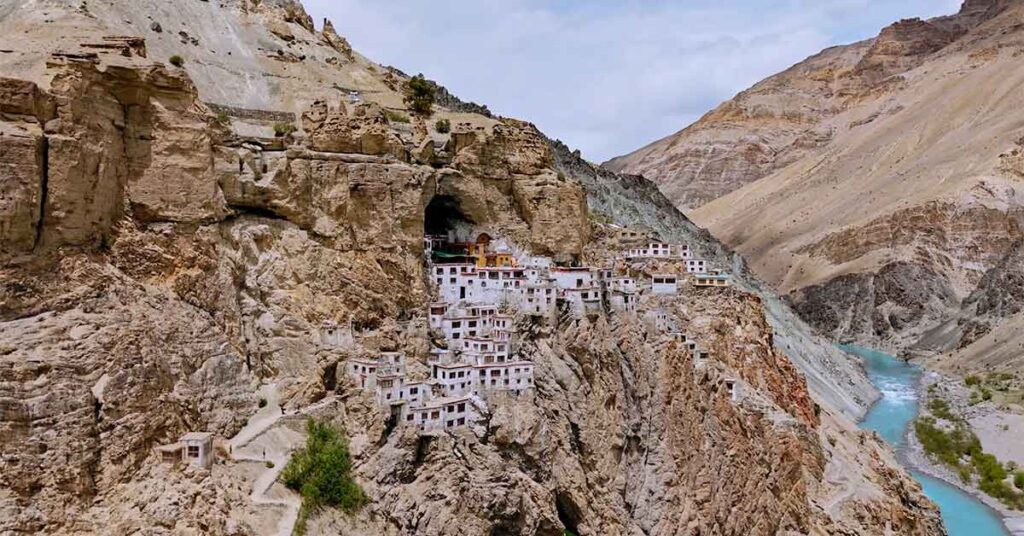
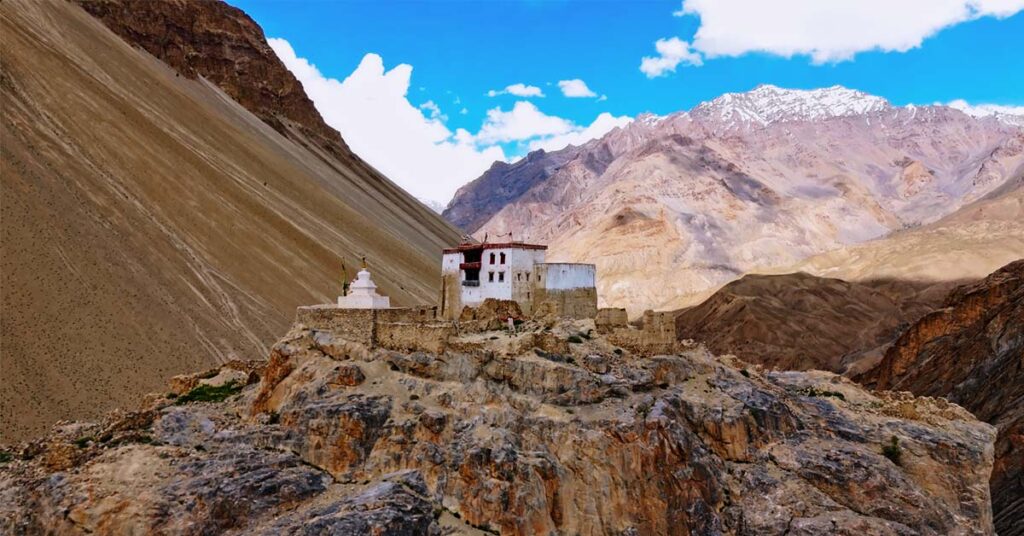
The star of this day is Phugtal Monastery. This architectural marvel is dramatically carved into a cliffside, a sight that truly feels like stepping back in time. After soaking in the spiritual vibes of Phuktal Gompa, you’ll return to Purne and then proceed to Padum, the administrative and cultural hub of Zanskar, where you’ll spend the night.
Day 5: Padum Local Sightseeing – Cultural Immersion in Zanskar
A full day in and around Padum covers:
- Karsha Monastery — the largest in Zanskar, dating to the 10th century
- Sheela Waterfall — partially frozen even in summer at this altitude
- Stongdey Monastery — perched high with remarkable deity paintings inside
- Zangla Palace — a crumbling but compelling piece of Ladakhi royal history
Day 6: Drang Drung Glacier & Pensi La Pass – Nature’s Grandeur
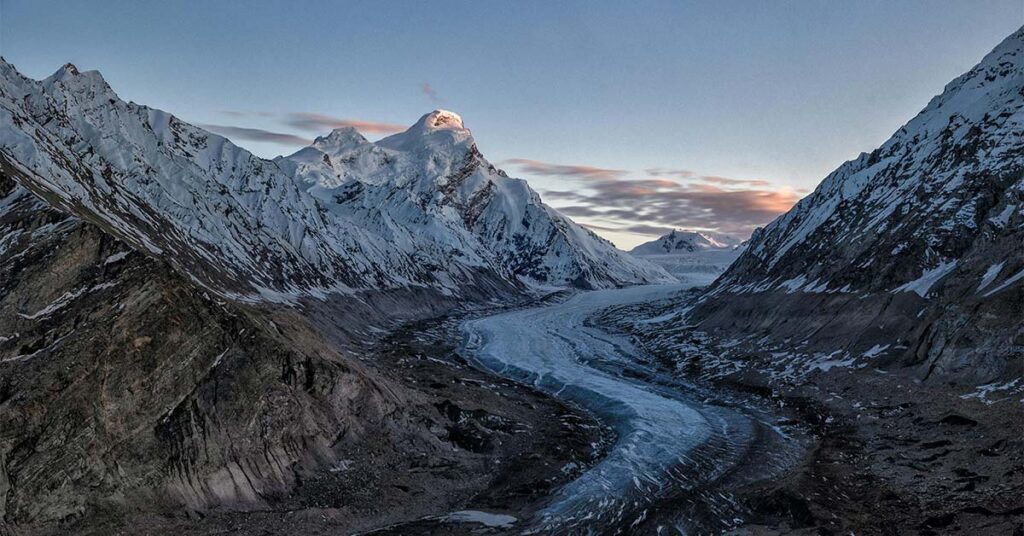
Prepare for a day of awe-inspiring natural wonders. You’ll drive towards Pensi La Pass, often referred to as the ‘Gateway to Zanskar,’ offering panoramic views of the surrounding valleys. Stop at Sani Lake on the way, then spend time at the Drang Drung Glacier — one of the largest glaciers in the Indian Himalayas outside of Siachen, and the source of the Stod River. Return to Padum for the night.
Day 7: Padum to Jispa – High Passes and Sacred Waters
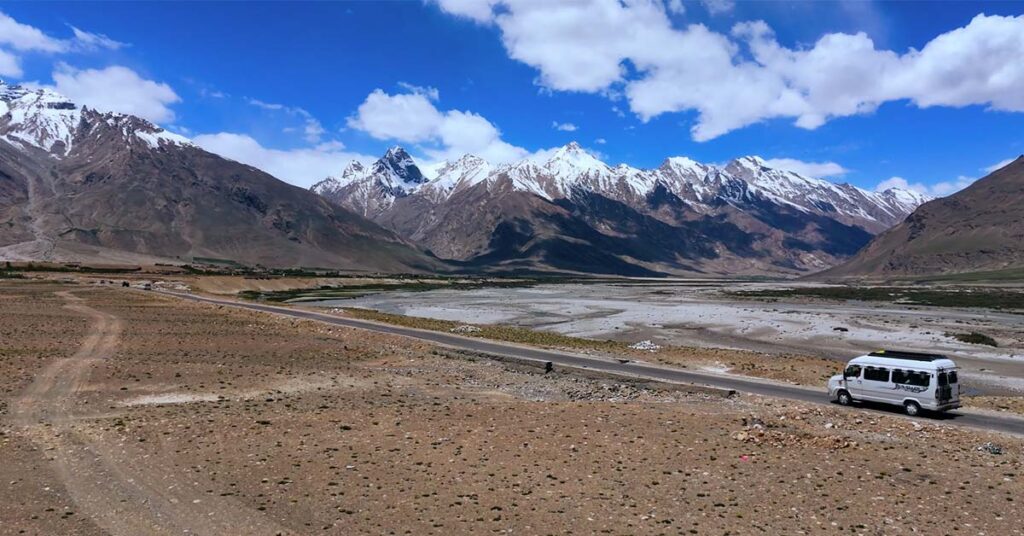
Begin your return journey, traversing back through the dramatic landscapes. You’ll once again cross the formidable Shinku La Pass and pass by the sacred Gonbo Rangjon. The route also includes a visit to Baralacha La Pass, one of the highest motorable passes, where you’ll encounter the beautiful Suraj Tal and Deepak Tal. The River Bhaga, a tributary of Chenab, originates from Suraj Tal. Later, Arrive in Jispa (Lahaul) for the night — a noticeably lower altitude and warmer feel after days in Zanskar.
Day 8: Jispa to Manali – Reflecting on the Journey
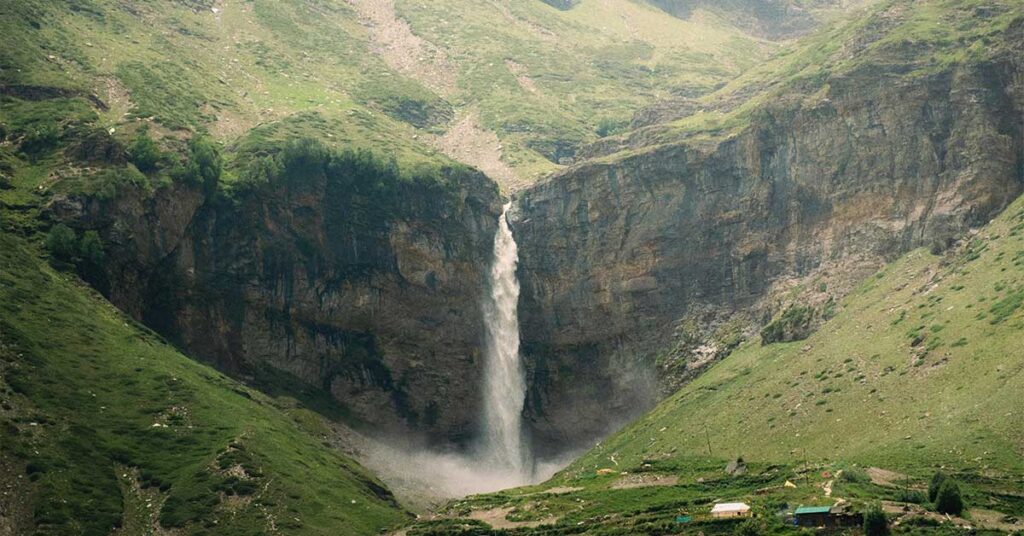
Leisurely morning in Lahual. Stop at Sissu Waterfall. The journey continues through the iconic Atal Tunnel, bringing you back to Manali. This day offers a chance to reflect on the incredible landscapes and profound experiences of your Zanskar Valley adventure as you prepare for your final leg.
Day 9: Return to Delhi – Memories to Last a Lifetime
Your unforgettable Zanskar Valley adventure concludes with your return journey to Delhi in the morning. You’ll carry with you a treasure trove of memories, stories, and the quiet strength of the mountains within you. Until the next adventure calls, the spirit of Zanskar will surely linger.
Key Facts Before You Leave For Zanskar Valley
- Network: Minimal. Jio & Airtel have limited coverage in Padum. Plan to be offline for most of the trip.
- Fitness: Basic fitness is sufficient. No technical trekking, but Phugtal requires a manageable hike.
- Road Closure: Generally the route opens from mid May to early April. Check updates. Only trust on verified and authentic news and government portals.
- Cash and ATMs: Carry minimum ₹3,000–5,000 cash per person. Since the network is scarce, UPI payment may not work everywhere.
- Weather: Mostly cold. Carry heavy woollen clothes irrespective of the month.
Conclusion
Zanskar Valley is not a comfortable trip. Connectivity drops, roads are rough, altitudes are serious, nothing moves fast and that’s the whole point. You’ll experience the profound cultural heritage through visits to ancient monasteries and interactions with local life. The inclusion of the Shinkula Pass route provides a modern, yet equally adventurous, approach to this secluded region. If you want a trip that leaves an actual mark, one where you’ve genuinely been somewhere most people haven’t, then this itinerary covers it systematically without wasting a day.