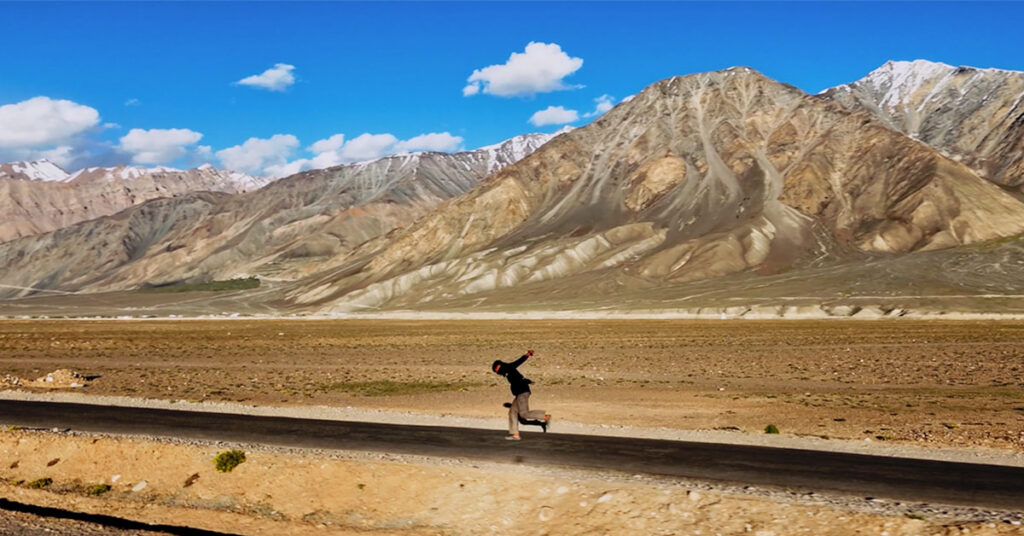
If we talk about the Himalayas, many envision the popular landscapes of Ladakh or Himachal. Yet, situated deeper within this grand picturesque of mountains lies a realm less known and lesser traversed, a place of profound beauty and rugged charm that calls out all the true adventurers: Zanskar Valley. Often described as one of India’s last untouched frontiers, Zanskar offers an experience that goes beyond typical tourism, inviting travellers into a world where ancient traditions thrive amidst breathtaking natural grandeur.
This comprehensive guide will take you on a virtual journey through Zanskar Valley, revealing its unique geography, rich cultural heritage, and the practicalities of planning an expedition to this remote jewel. From navigating its challenging roads to exploring its cliff-hanging monasteries, prepare to uncover why a visit to Zanskar Valley isn’t just a trip, but a transformative encounter with the soul of the Himalayas.
What and Where is Zanskar Valley?
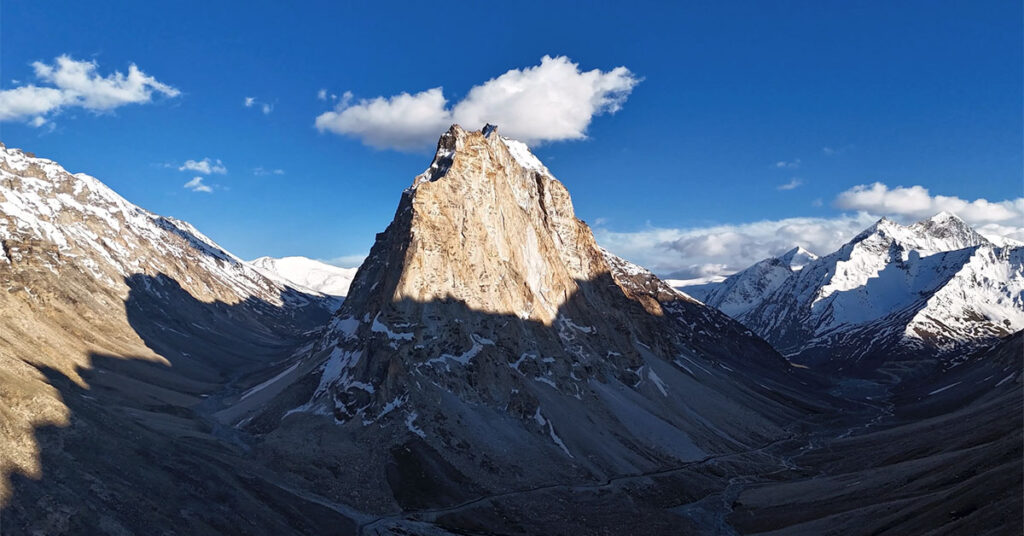
Zanskar Valley is a high-altitude semi-desert region situated in the Kargil district of Ladakh, in the northernmost part of India. Geographically, it’s a sub-district of Ladakh, yet culturally and scenically, it stands distinct. To locate it on a map, one would typically find Leh and then journey south, crossing the formidable Zanskar Range, a majestic sub-range of the Himalayas. The valley itself is carved dramatically by the Zanskar River, which flows through deep gorges before eventually merging with the mighty Indus River near Nimmu.
This elongated valley stretches for approximately 300 kilometers, with its average altitude ranging from a challenging 3,500 to 4,400 meters above sea level. The administrative and cultural heart of Zanskar is Padum, a tranquil settlement that, despite its significance, retains the charm of a remote village. Here, a handful of homestays and a modest market serve as the primary hubs, all under the watchful gaze of towering, snow-capped peaks.
Why You Should Visit Zanskar Valley
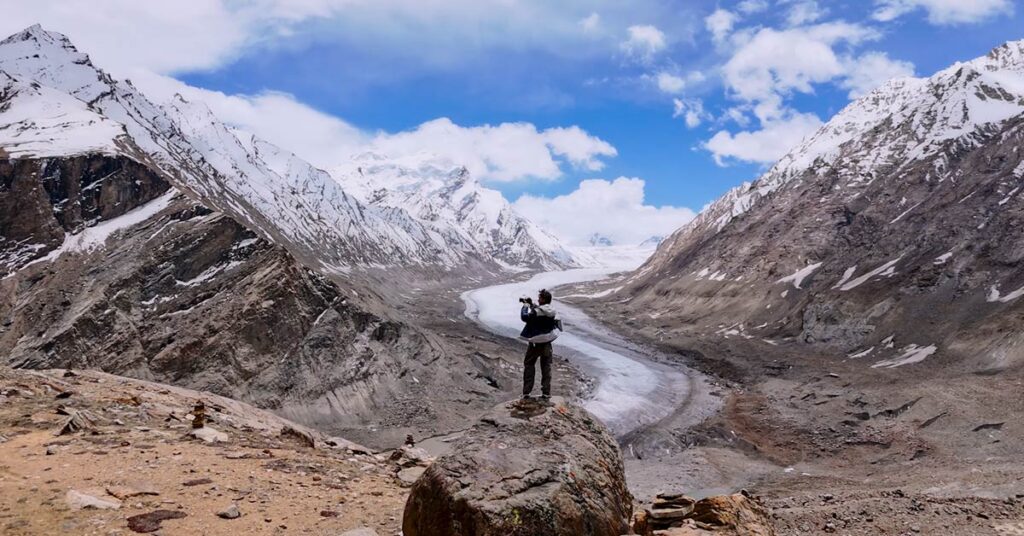
What truly sets Zanskar Valley apart from other Himalayan destinations isn’t merely its elevation or its challenging accessibility; it’s profound sense of identity. Zanskar is a living museum of Tibetan Buddhist culture, where ancient traditions are not just preserved but actively practiced. The local dialect, the distinctive customs, and the numerous monasteries, many of which are architectural marvels built directly into cliff faces, all contribute to an atmosphere unlike anywhere else.
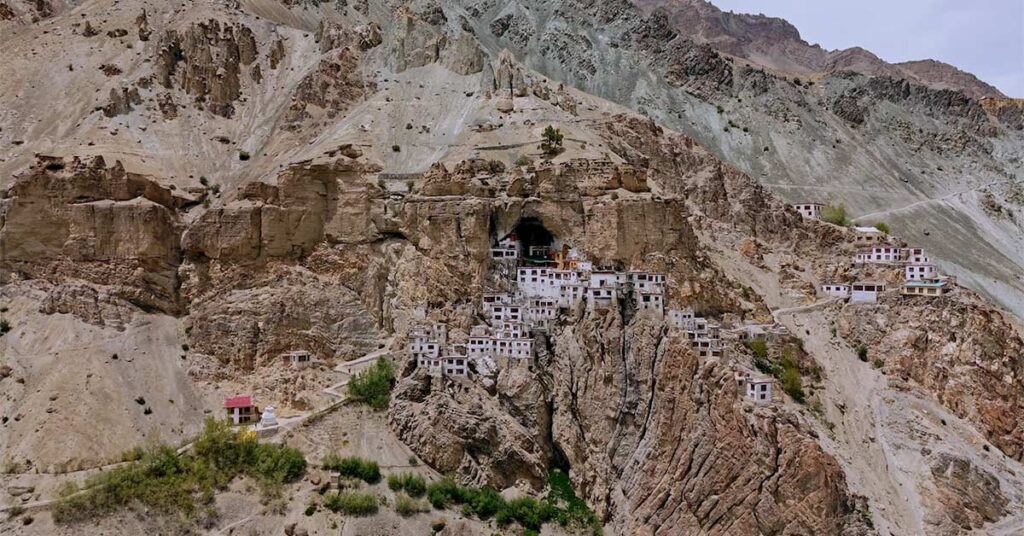
Perhaps the most iconic example is Phugtal Gompa, a monastery literally embedded within a natural cave in a canyon wall. Its origins trace back over 2,500 years, and it remains accessible primarily by foot, a testament to Zanskar’s enduring isolation and spiritual depth. Visiting Zanskar is not merely observing a culture; it’s stepping into a vibrant, ancient world that continues to unfold in harmony with its rugged environment. It’s a place that demands effort to reach, but rewards with an authenticity that stays with you long after you’ve left.
How to Reach Zanskar Valley
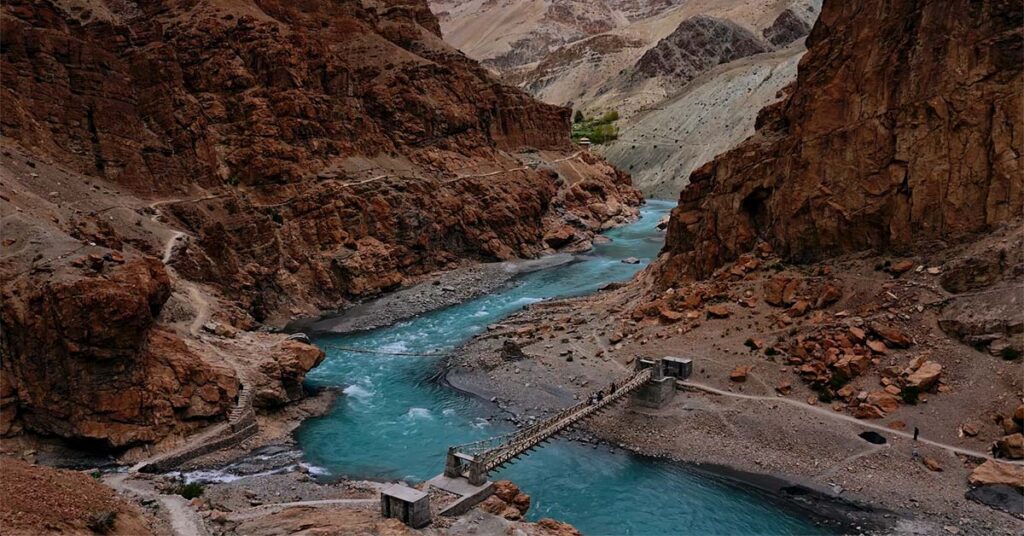
Reaching Zanskar Valley is an adventure in itself, requiring careful planning and a spirit of resilience. There are no direct flights or railway lines; the journey is intrinsically linked to the mountain roads, which are often dictated by the whims of weather. However, recent developments are making Zanskar more accessible.
Traditional Routes To Zanskar Valley:
1.Via Leh and drive to Padum (The Classic Approach):
•Fly to Leh: The most common starting point is to fly into Leh, the capital of Ladakh. Daily flights connect Leh with major Indian cities.
•Leh to Padum: From Leh, a scenic and lonely drive of approximately 9 hours (around 370 km) takes you to Padum, we suggest you take a day for rest and acclimatization in Leh before you leave for Padum.
2.Via Srinagar and Kargil:
•This route offers an alternative for those who prefer to bypass Leh initially. Fly or drive to Srinagar, then proceed to Kargil, and finally to Padum. The Srinagar-Kargil stretch is roughly 200 km on NH1.
3.Via Manali (The Adventurous Road Trip):
•For the ultimate road trip enthusiast, driving from Delhi via Manali, this route offers you scenic and dramatic landscape changes on the way. However, it is necessary to take a halt in Manali for a day before you start your journey to Purne as the elevation almost doubles after reaching Purne.
The Game-Changer: Shinku La Pass
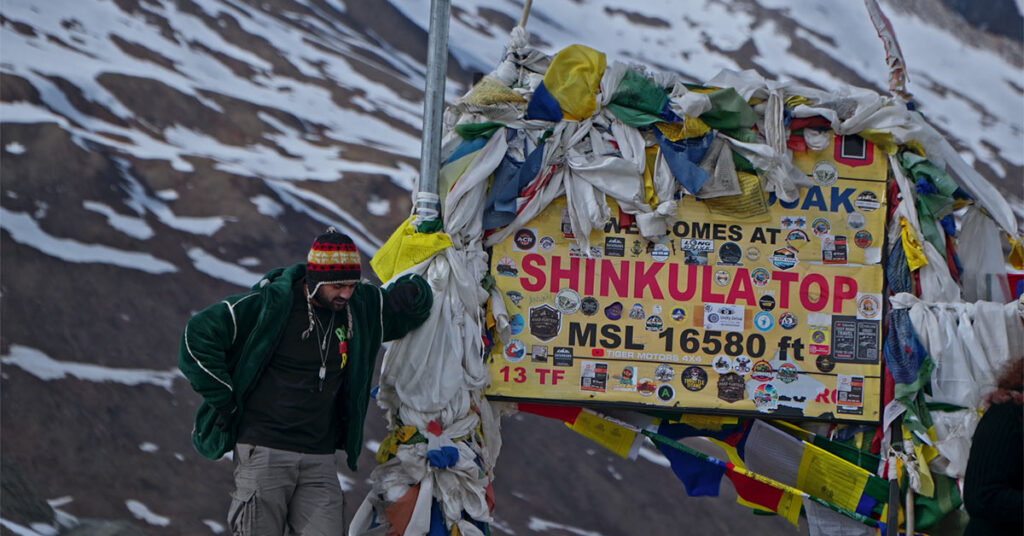
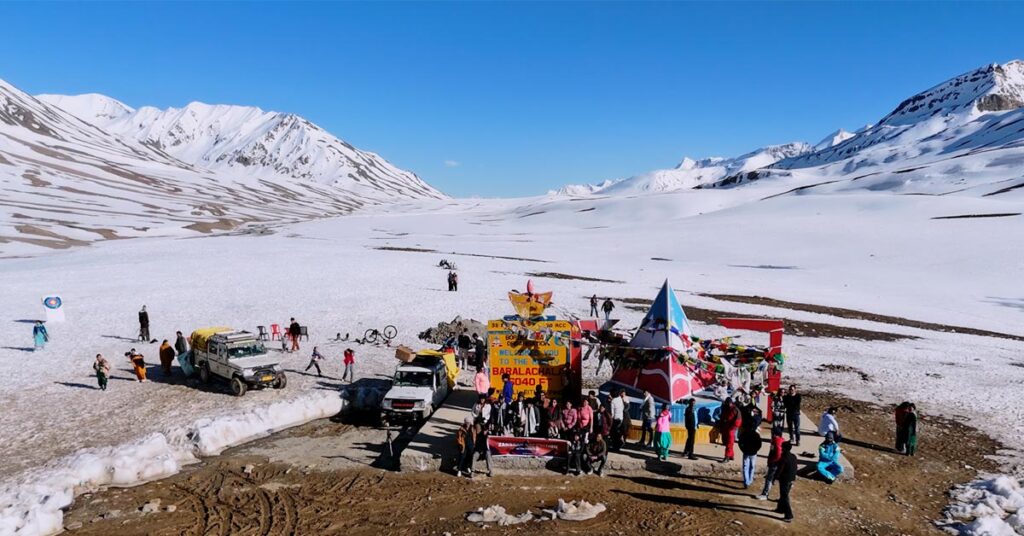
A significant development for connectivity to Zanskar Valley is the Shinku La Pass (5,091m). This high-altitude pass now provides a direct link between Darcha in Himachal Pradesh (near Manali) and Padum in Zanskar. This route significantly shortens travel time for those coming from the Manali side, making Zanskar more accessible. The Darcha-Padum road via Shinku La typically opens earlier than Pensi La, often by mid-May, and remains open until mid-October, depending on snow conditions.
Important Note: Road conditions in the Himalayas are unpredictable. Always check the latest road status before planning your journey, especially for Pensi La and Shinku La. Permits may also be required for certain areas.
Best Time to Visit Zanskar Valley
The ideal time to visit Zanskar Valley largely depends on the kind of experience you seek. Each season offers a distinct charm and set of challenges.
1. Summer (June to September): The Peak Season
This is undoubtedly the best time to visit Zanskar Valley for most travelers. The weather is relatively stable, and crucially, all major roads and passes, including Pensi La and Shinku La, are open. Temperatures during the day are pleasant, ranging from 15°C to 25°C, though nights can still be chilly (5°C to 10°C). This period is perfect for:
•Sightseeing: Explore monasteries, villages, and enjoy the vibrant green landscapes.
•Photography: The clear skies and dramatic scenery offer unparalleled photographic opportunities.
2. Winter (January to February): The Chadar Trek Season
For the truly adventurous, winter transforms Zanskar into a frozen wonderland. The Zanskar River freezes solid, becoming the legendary Chadar Trek – a challenging but awe-inspiring walk on ice through deep canyons. Temperatures plummet to extreme lows, often between -20°C and -30°C. This season is exclusively for experienced trekkers undertaking the Chadar Trek, requiring specialized gear, expert guides, and rigorous physical preparation. It is not for the faint of heart, but offers an unparalleled experience of Zanskar’s raw winter beauty.
3. Shoulder Seasons (May & October): For Solitude Seekers
•May: The passes are just beginning to open, and snow clearance operations are underway. While logistics can be trickier, this period offers fewer crowds and the chance to witness Zanskar emerging from its winter slumber, so flexibility is key.
•October: As winter approaches, the tourist season winds down. Roads remain open for much of the month, but temperatures drop significantly. This is a beautiful time for those seeking solitude and crisp, clear views before the heavy snows arrive. However, be prepared for colder weather and limited services.
Monasteries of Zanskar Valley: The Buddhist Heritage
The spiritual heart of Zanskar beats within its ancient monasteries, or gompas, which are not just architectural marvels but vibrant centers of Buddhist learning and practice. These sacred sites offer a profound glimpse into the region’s rich cultural tapestry.
•Phugtal Gompa: As mentioned, this is perhaps the most spectacular, built into a natural cave in the Lungnak Valley. Its remote location and ancient history make it a pilgrimage for many. It’s a testament to human devotion and architectural ingenuity.
•Karsha Monastery: The largest and most prominent monastery in Zanskar, located about 9 km from Padum. It houses numerous monks, temples, and a wealth of Buddhist artifacts, offering panoramic views of the valley.
•Stongdey Monastery: Perched atop a hillock overlooking a village, this monastery is the second largest in Zanskar and is associated with the revered Tibetan Yogi Marpa. It’s known for its vibrant Gustor festival.
•Sani Monastery: Unique for being built on flat ground, unlike most other Zanskar monasteries. It is believed to be one of the oldest Buddhist sites in the region, with connections to the Kushan ruler Kanishka.
Experiencing Zanskar: Culture & People
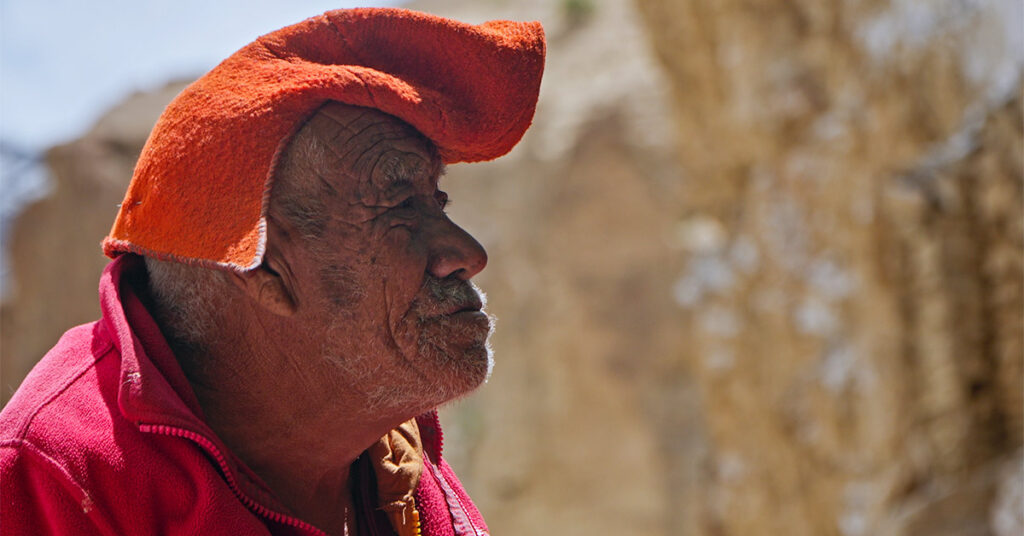
Beyond its dramatic landscapes, the true essence of Zanskar Valley lies in its vibrant culture and the warmth of its people. The Zanskari way of life is deeply intertwined with Tibetan Buddhism, evident in every prayer flag, chorten, and the daily routines of its inhabitants. Visitors often find themselves immersed in a world where time seems to slow down, and ancient customs are a living reality.
•Homestays: Opting for homestays in Padum or smaller villages like Karsha, Sani, or Zangla offers an authentic cultural exchange. Sharing meals with local families, hearing their stories, and observing their daily lives provides insights far beyond what any guidebook can offer. It’s an opportunity to understand resilience, hospitality, and a sustainable way of living in one of the world’s harshest environments.
•Festivals: If your visit coincides with local festivals, you’re in for a treat. The Zanskar Festival, usually held in September, showcases traditional music, dance, and archery, offering a lively display of local heritage. Monastery festivals like the Karsha Gustor and Stongdey Gustor feature mesmerizing masked dances (Cham), believed to ward off evil spirits and bring good fortune.
•Art and Craft: The region is known for its traditional handicrafts, including intricate thangka paintings, woolen textiles, and metalwork. These crafts are not just souvenirs but reflections of a rich artistic tradition passed down through generations.
Practical Tips for Your Zanskar Valley Adventure
Planning a trip to Zanskar Valley requires more than just booking tickets; it demands preparation and if you’re uncertain how to plan a trip then you can leave it to the expert. In our Zanskar Tour Package we cover all the necessary logistics like transport, stays and meal. Along with preparation you need to respect for its unique environment and cultures.
•Acclimatization: Due to the high altitude, proper acclimatization is paramount. Spend at least a day in Leh or Manali before proceeding to Zanskar to minimize the risk of Acute Mountain Sickness (AMS).
•Connectivity: Mobile network coverage is extremely limited, often non-existent, outside Padum. Embrace the digital detox and carry a postpaid sim of Jio or Airtel as they have limited accessibility.
•Infrastructure: While improving, infrastructure remains basic. Expect simple guesthouses, limited medical facilities, and fewer amenities compared to more developed tourist destinations. Carry essential medicines and a well-stocked first-aid kit.
•Respect Local Culture: Dress modestly, especially when visiting monasteries. Always ask for permission before photographing people, and be mindful of local customs and traditions.
•Environmental Responsibility: Zanskar’s pristine environment is fragile. Practice responsible tourism by carrying back all your waste, avoiding plastic, and minimizing your ecological footprint.
Zanskar Valley: An Unforgettable Journey
Zanskar Valley is not a destination for those seeking conventional comforts or fleeting Instagram moments. It is a place that challenges, inspires, and ultimately transforms. It’s where the raw power of nature meets the enduring spirit of humanity, creating an experience that resonates deeply within the soul. Whether you’re drawn by the serenity of its ancient monasteries, or the profound cultural immersion, this remote Himalayan jewel promises an adventure unlike any other.
As the world increasingly seeks out authentic and meaningful travel experiences, Zanskar Valley stands as a testament to the beauty of the untamed and the value of genuine connection. It waits, quietly, for those ready to answer its call – to step away from the ordinary and discover a piece of India that truly remains a world apart.